

Please support the authors by reading Manhwas on the official websites. This is where you can read the Manhwa: Jinx But be aware that the Manhwa is a mature Yaoi, which means, it is about homosexuality with explicit scenes. Here is the link of the table of contents about Jinx. Here is the link where you can find the table of contents of analyzed Manhwas. Here are the links, if you are interested in the first work from Mingwa, BJ Alex, and the 2 previous essays about Jinx Breathless in the Light – part 1 and Breathless in the Light – part 2
It would be great if you could make some donations/sponsoring: Ko-fi.com/bebebisous33 That way, you can support me with “coffee” so that I have the energy to keep examining Manhwas. Besides, I need to cover up the expenses for this blog.

When Air Becomes Emotion
There are chapters in Jinx that feel like pauses in the storm, moments when the story seems to inhale before beating again. Chapter 83 is one of them. At first glance, it resembles a “date”: the two men wear complementary headbands — white and black, 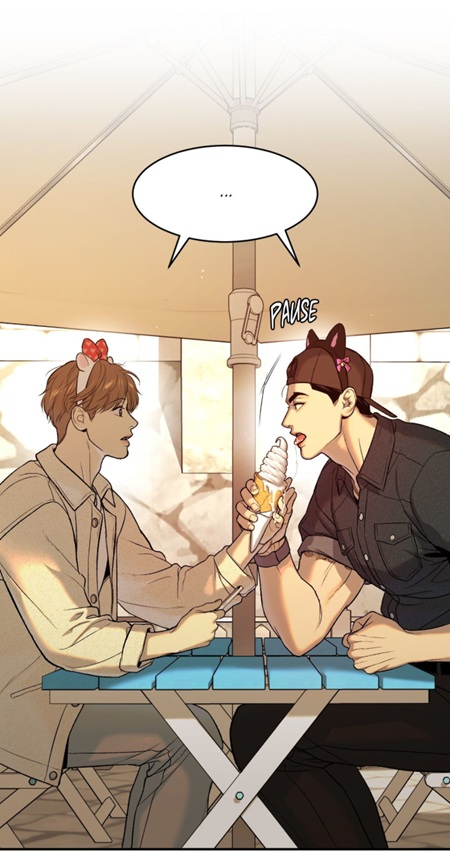 (chapter 83) mirroring the contrast of their clothes and their personalities — and the champion even leans in to lick a smear of ice cream from the therapist’s finger, an image so intimate that any passerby would mistake them for lovers. And yet, not quite. The physical therapist approaches the outing as part of his job, a therapeutic break meant to soothe his patient’s nerves
  (chapter 83), while the athlete approaches the day with a far more personal hope. He stages the rides strategically, intending to appear strong and reliable so that his companion might grow frightened and instinctively reach for him
  (chapter 83) — just as he once did in the swimming pool.
  (chapter 80) Beneath the surface, what looks like a date is a carefully orchestrated attempt to recreate closeness without naming it. To conclude, whereas the episode flirts with the aesthetics of a date, the intentions behind it remain mismatched, unspoken, and unresolved. It is not an official date, yet it does not behave like a simple work-related excursion either, and we as readers are left suspended in that tantalizing in-between space — as if the very moment were hanging weightless above the ground, waiting for someone to name what it truly is.
As we follow them through the amusement park, we sense something shifting. The air itself seems to vibrate  (chapter 83), charged with a warmth that seasoned Jinxphiles will recognize immediately: a tension between joy and tension, duty and desire, wind and water. And then we see him — the usually anxious physical therapist — smiling with his eyes closed, arms raised, as if offering himself to the sky and joining his “companions”, the clouds. In this panel, his hands — so often clenched, overworked, or trembling from exhaustion, fear or anger — are finally resting, suspended in a gesture of pure lightness and ease.
This moment is more than simple amusement; it is a brief liberation from the weight he has carried for years. For the first time, the man who usually survives on caution allows himself to rise, to laugh, to surrender to the wind. He appears almost weightless — as if something inside him has quietly unclenched. And as I watched this unexpected lightness unfold, something else surfaced just as naturally: a melody. Soft at first, almost accidental. It felt as though the chapter itself were humming in the background — John Paul Young’s Love Is in the Air.
Love is in the air
Everywhere I look around
Love is in the air
Every sight and every soundAnd I don’t know if I’m being foolish
Don’t know if I’m being wise
But it’s something that I must believe in
And it’s there when I look in your eyesLove is in the air
In the whisper of the trees
Love is in the air
In the thunder of the seaAnd I don’t know if I’m just dreaming
Don’t know if I feel sane
But it’s something that I must believe in
And it’s there when you call out my nameChorus: Love is in the air
Love is in the air
Oh-oh-oh
Mm-ooh, ooh-oohLove is in the air
In the risin’ of the sun
Love is in the air
When the day is nearly doneAnd I don’t know if you’re an illusion
Don’t know if I see it true
But you’re something that I must believe in
And you’re there when I reach out for youLove is in the air
Everywhere I look around
Love is in the air
Every sight and every soundAnd I don’t know if I’m being foolish
Don’t know if I’m being wise
But it’s something that I must believe in
And it’s there when I look in your eyes (chorus)
Its melody, repetitive and gently rising, mirrors the slow ascent of the Ferris 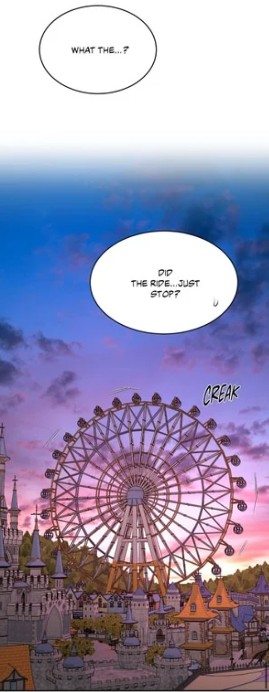 wheel: a circular motion that builds toward a quiet crescendo. And what might strike you — almost instinctively — is how naturally the lyrics seem to align with the chapter’s emotional beats, as if each verse echoed a panel.
“Every sight and every sound,”
“I don’t know if I’m being foolish,”
“It’s there when I look in your eyes”
— suddenly these lines become more than a melody. They become a key to understanding what neither the fighter nor the therapist dares to say aloud. (chapter 83) The song becomes more than a soundtrack; it becomes an interpretive key, guiding us through the protagonists’ unspoken emotions and shadowed hesitations.
At the same time, chapter 83 mirrors earlier moments of their story—especially the opening episode and the charged night-and-morning sequence of chapters 44 
 (chapter 44) and 45, where desire blurred into illusion and
 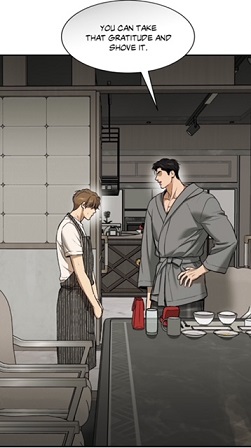 (chapter 45) reality collided with unspoken longing. The tension between dream
 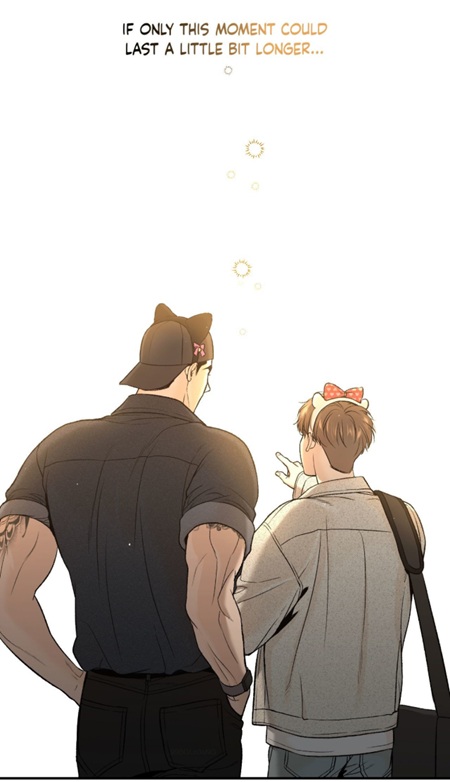 (chapter 83) and waking life, quietly present in the lyrics themselves, resurfaces at the park amusement as well — though its meaning will become clearer as we look deeper. In season 1, the boundaries between the celebrity fighter and his therapist were blurred in ways neither of them understood: professional on the surface, intimate in practice, yet undefined in essence. Physical closeness existed, but emotional clarity did not. Now, in the bright openness of this amusement-park afternoon and evening, we are invited to look again. What exactly is their relationship here? A supervised rest day? A moment of companionship? The first fragile step toward something tenderer that neither man is ready to articulate?
And if their bond no longer fits the categories imposed by their roles, then we are left with the question that rises with them into the purple sky: What is love—when the line between duty and desire dissolves into the air itself?
Dan — “Love is in the air, everywhere I look around”
The first verse of the song insists on perception — on looking, hearing, sensing the presence of love in the world before one dares to name it. And this is precisely what happens to the physical therapist in chapter 83. When he sees a child running toward a mascot for a hug 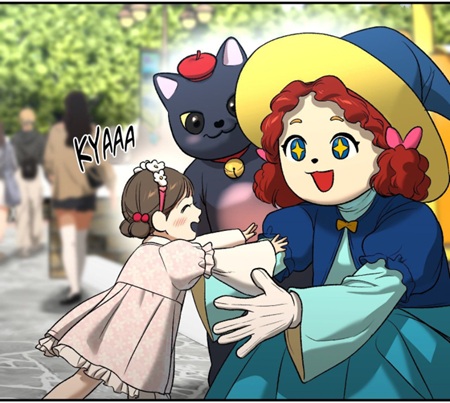 (chapter 83) or a family laughing together
  (chapter 83), something in him shifts so quietly that one might miss it at first glance: he smiles.
 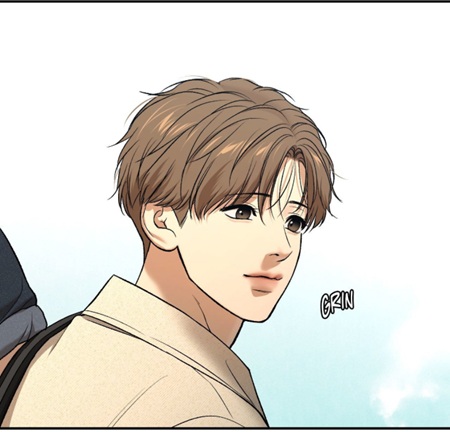 (chapter 83) Not out of politeness, not to reassure someone else, not through exhaustion or habit. He smiles because he witnesses joy — and for once, it does not make him feel smaller. It does not activate the reflexes of deprivation or fear that shaped his life from childhood to early adulthood. On the other hand, the smile he gives in that moment is not radiant, not wide, not unguarded. It is a grin, a restrained upward curve that reveals both warmth and hesitation. His joy is present — unmistakably so — but it is still contained, as if his body has not yet learned how to express happiness without caution. This small, hesitant grin shows us a man who is beginning to open, yet still holds himself back, afraid of wanting too much.
And what makes this expression so striking is what it lacks. There is no envy in his eyes. No longing to trade places with the laughing family. No bitterness. No “why not me?” His gaze does not grab at the happiness he sees; it simply receives it. This absence is meaningful. For someone who grew up experiencing loss, scarcity, and emotional withholding, joy witnessed in others often triggers one of two reactions:
- greed (“I want that, too.”)
- hurt (“Why can’t I have that?”)
But Dan feels neither. He simply watches and grins — shyly, lightly, almost apologetically — as if happiness is something he is allowed to observe but not yet to claim. The expression reflects the quiet discipline of someone who has spent years dampening his own desires so he wouldn’t be disappointed. His joy is limited, yes, but also genuine. It is the joy of someone who is relearning safety through the world around him, step by delicate step.
And this is precisely why the grin matters. It shows that his emotional defenses are beginning to loosen, but not collapse. He allows the warmth of the scenery to touch him, without reaching out for more. He permits himself to feel — but in moderation, in the smallest possible dose that won’t frighten him. It is, therefore, the perfect visual embodiment of the song’s opening line:
“Love is in the air, everywhere I look around…”
because for the first time, he is looking around with the capacity to notice, even if he still doesn’t dare to hope.
Back in episode 1, the world was something he endured: every sound  (chapter 1) reminded him of responsibility , every sight
 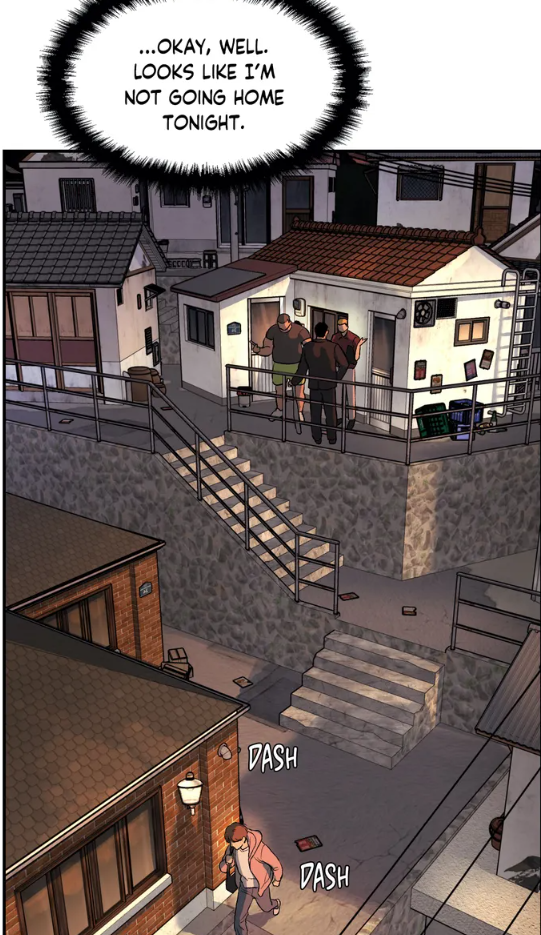 (chapter 1) pulled him back to duty or scarcity. Happiness belonged to others; he lived on the margins, always working, always surviving. But here, in the brightness of the amusement park
  (chapter 83), his gaze is finally unshackled. He looks outward and takes in the warmth of strangers’ affection without translating it into loss or longing. (chapter 83) Like described above, he is neither envious nor resentful. Instead, he experiences a fragile form of joy — not through himself, but through others. It is indirect happiness, a borrowed ray of light, but it is still happiness.
This scene reveals a subtle but profound transformation: the world no longer feels hostile. For a child who grew up believing that everything — security, love, parents — could vanish without warning or bring pain, the outside world was always tinged with danger. Now, for the first time, it becomes a landscape where he feels safe 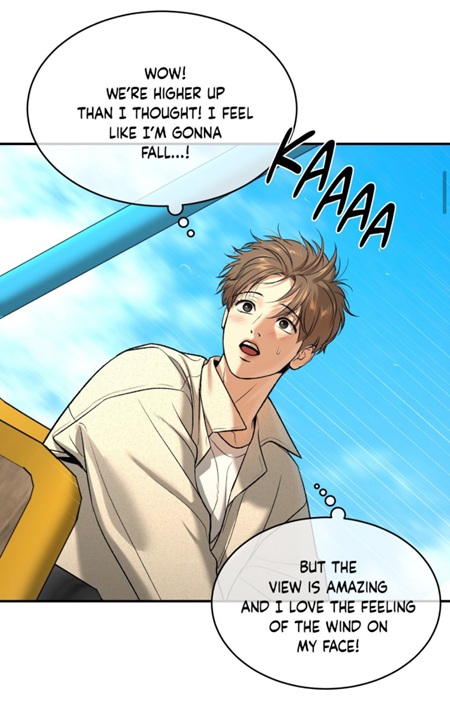 (chapter 83), though an accident could actually occur there. This contrasts so much to his thoughts in episode 1.
  (chapter 1) The amusement park becomes a place in which love exists openly, visibly, harmlessly. The lyrics capture this awakening beautifully: “And I don’t know if I’m being foolish… but it’s something that I must believe in.” (chapter 83) This is exactly what his smile expresses. He has no proof that love could include him. No certainty that he deserves it. No assurance that daring to hope won’t lead to disappointment. And yet, he believes — not because someone reassures him, but because his own senses finally give him permission.
When he smiles at the child or the family, he is not imagining himself in their place, nor projecting himself into some idealized domestic future. He simply lets the warm air settle in his chest. Happiness exists. It exists near him. It exists without punishing him. And if it exists, then perhaps — perhaps — he is not excluded from it forever. This is the first real beat of hope, the quiet reawakening of a heart that has spent too long underwater. The therapist who once sank in the pool out of fear now rises through the air of the amusement park simply by witnessing life unfold around him. His joy does not come from the ride; it initially comes from seeing love in the air, exactly as the song describes.
Yet this joy remains delicate, tentative — the kind that sits quietly at the edge of his lips. His smile is not wide or unguarded; it is a small, restrained grin, (chapter 83) a gesture that reveals how carefully he still manages his own emotions. For a man who learned early in life to minimize his desires to avoid disappointment, this gentle openness is already a form of courage. And then something unexpected happens.
Dan — “Love is in the air, In the risin’ of the sun”
The moment he realizes that the fighter 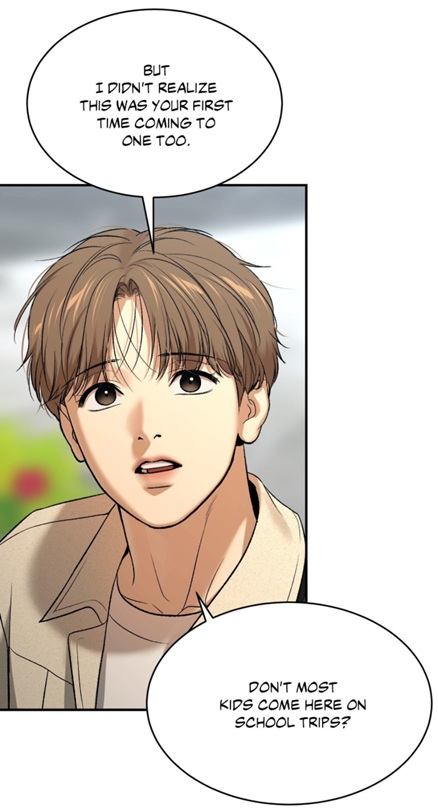 (chapter 83) — the man who seems invincible and superior in every domain — has never been to an amusement park, a spark ignites inside him.
  (chapter 83) His heart, which moments earlier beat quietly in observation, begins to race with excitement. For the first time, he is equal to the athlete. At the same time, for the first time, he is the one with experience or power. 😲 How so? For the first time, age becomes real
  (chapter 83): the physical therapist is twenty-nine, the athlete twenty-six.
Dan’s seniority — long irrelevant, long suppressed — begins to surface, not through conscious thought, but through instinct. He does not step forward because he is older; he steps forward because, for once, he knows something the fighter does not: his own desires. His body moves before his mind names the change. His voice lifts before he understands.  (chapter 83) He suddenly steps into a role he has never been allowed to inhabit before: that of the knowledgeable one, the guide, the hyung.
And this moment exposes a quiet truth about his past that the story had always hinted at: he has never been allowed to inhabit his age. 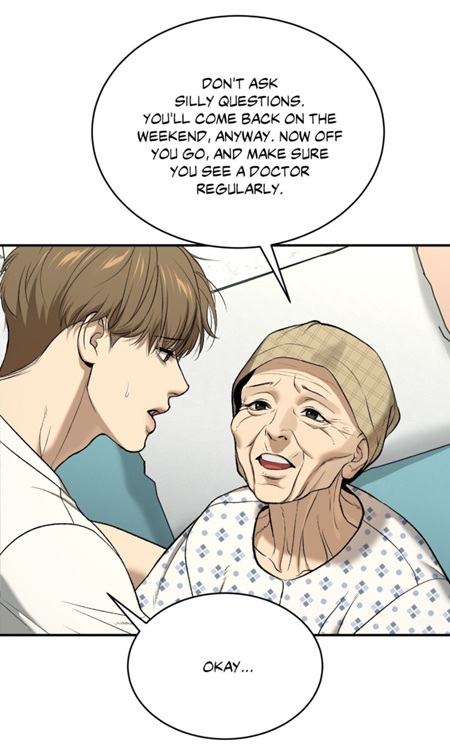 (chapter 78) Dan’s lifetime of passivity did not come from lack of intelligence or lack of will; it came from conditioning. He was raised by a guardian who loved him, yes, but who also unintentionally infantilized him. He was not allowed to question her words and decisions. His grandmother, who was not just older but twice his senior in authority, experience, and certainty, occupied every position of knowledge in his life. She decided what was dangerous, what was sensible, what was allowed, and what was forbidden. Her worldview dominated so completely that Dan’s own judgment never had room to form. His grandmother’s authority was absolute — not malicious, but unquestioned — and Dan learned very early that his role in the household was not to decide but to obey.
The clearest illustration appears in Chapter 7, when she panics about the money he could spend for her treatment and immediately demands:  (chapter 7) As if a twenty-nine-year-old man — a working professional — were incapable of making a responsible financial decision. Dan’s “Of course not!” is instinctive, defensive, almost childlike, exposing the emotional hierarchy between them. In her eyes, he is not an adult with agency, but a boy who must be corrected, cautioned, overridden.
And yet — paradoxically — he was forced to become an adult far too early which the grandmother acknowledges. 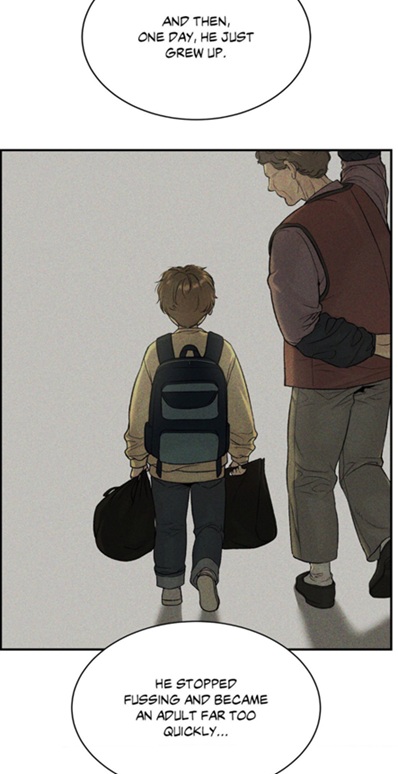 (chapter 65) However, observe that here, she feigns ignorance, she doesn’t know the origins of this metamorphosis. On the other hand, it is clear that she is well aware of the cause. He worked to support them both. He paid the hospital bills. He negotiated the debts. He shouldered the responsibility of survival.
And the greatest irony? The debt is in his name. 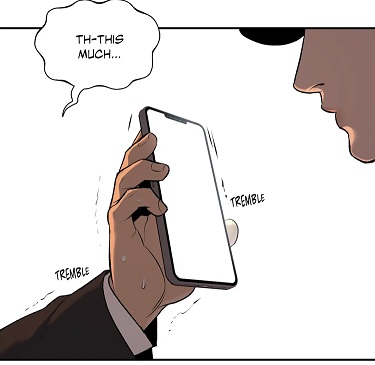 (chapter 17) Legally, financially, the burden is his. But emotionally, symbolically, he was never allowed to own that responsibility; it was neither recognized nor validated. Instead, his grandmother continued to treat him as a child incapable of navigating the world on his own — even though he was the one saving them both.
This contradiction shaped him: He learned duty without authority, responsibility without recognition, adulthood without autonomy. He was taught to carry the weight of the world but never the permission to decide how to carry it. And now, we finally comprehend why the physical therapist remained so passive throughout Season 2. By giving him choices 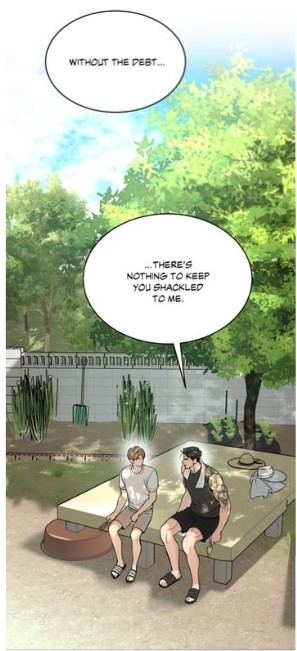 (chapter 77) and asking for his opinion
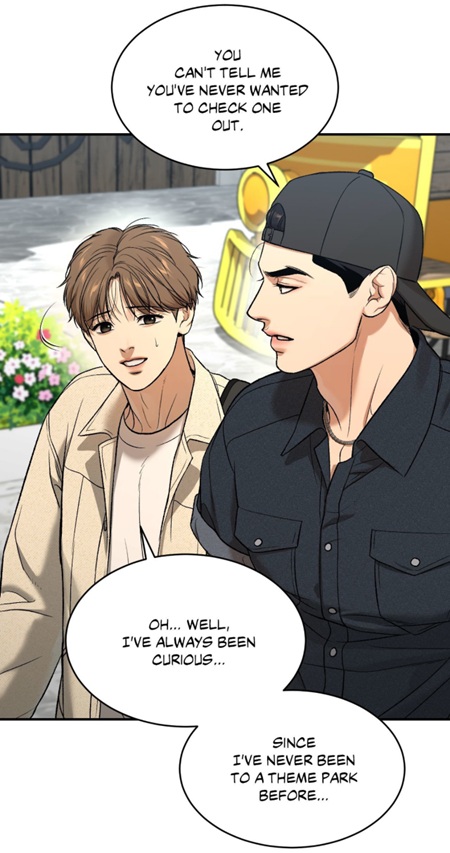 (chapter 83), Joo Jaekyung is liberating his fated partner.
And this is precisely why the moment in Chapter 83 hits so deeply. (chapter 83) For the first time, he is not the silent follower but the one who leads. For the first time, his taste and desire matter.
For the first time, he is allowed to choose — where to walk, what to try, how to spend the day.
And in that instant, something long-suppressed rises to the surface: the part of him that was never permitted to grow up. His racing heart is not just excitement; it is the awakening of a self that had been dormant for years — the self who finally, quietly, steps into the light. As if echoing John Paul Young’s quiet promise,
“Love is in the air, in the risin’ of the sun,”
something inside him rises too — a self long buried under duty and financial strain. Chapter 83 unfolds beneath the sun, but its emotional lighting belongs to him: not chronological morning, but the symbolic morning of a man finally waking up. We see this most clearly in the moment he blushes and murmurs: (chapter 83). His face, half in shadow and half in light, appears as though it is gradually emerging from darkness. It feels like dawn breaking across his features — the soft illumination of newfound boldness, desire, and possibility. Even if the scene takes place in the afternoon, his face carries the light of morning, the brightness of a heart beginning to beat for itself. (chapter 83) And this is why his heart speeds up. Why he blushes. Why he suddenly moves with purpose. Why he becomes the guide: “I’ll be your guide today!”
This is not merely excitement. It is the first time his joy has weight and his seniority has meaning. It is the first time he can lead without fear. It is the first time he can offer joy rather than labor. In this fleeting, luminous moment, the therapist steps into the adulthood he earned long ago — not out of duty, but out of freedom. And paradoxically, by stepping into adulthood, he is finally allowed to reclaim something he was robbed of: childhood. Thus he receives a huge Teddy Bear from the athlete. 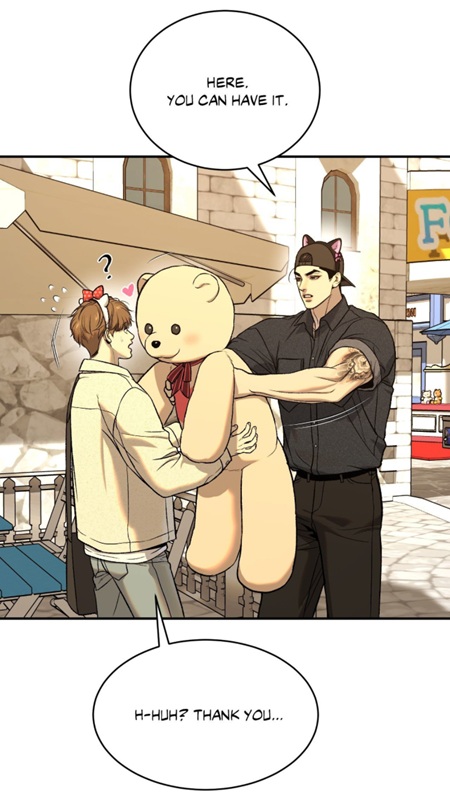 (chapter 83) The toy from his childhood had vanished, probably thrown away because it had lost its role and doc Dan had no longer the time to play. At the same time, we should question ourselves who had offered it to doc Dan.
  (chapter 47)
The man who had to shoulder debts, bills, and survival before he even finished school now gets to experience what ordinary children take for granted — wearing a headband, tasting ice cream, pointing excitedly toward the next ride.
His joy is not childish; it is restorative. It is the healing of a stage of life he never truly lived. And with every shift of light and fresh air, a new part of Dan awakens — his agency, his boldness, his playfulness, even his shy but stubborn desires. (chapter 83) And this awakening has another consequence: for the first time, money disappears as a source of fear.
Dan, who used to feel uncomfortable in front of presents or at the slightest expense, suddenly moves with ease.  (chapter 83) He accepts the fighter’s generosity without guilt
 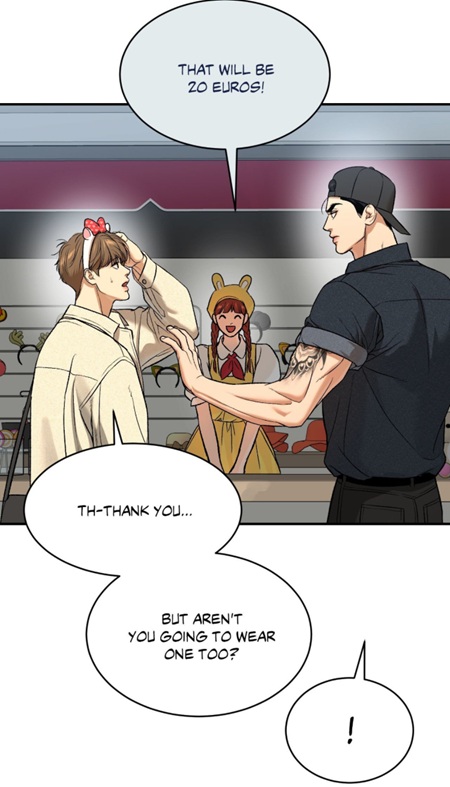 (chapter 83), yet offers his own in return — buying the drinks, fetching the ice cream, participating in the flow of giving rather than shrinking from it.
 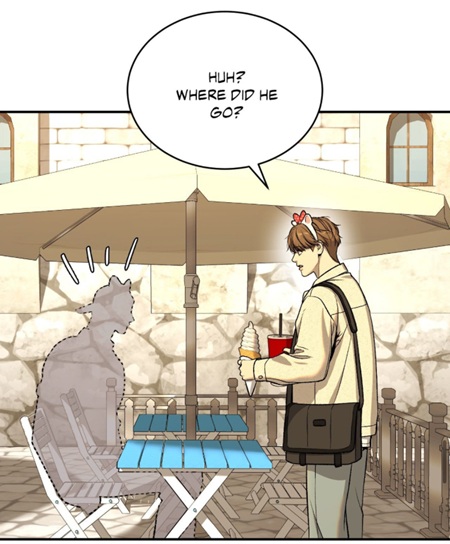 (chapter 83) No one questions cost; no one frames affection as financial burden. This reciprocity is gentle, natural, unspoken. It stands in stark contrast to Heesung
  (chapter 32), who immediately reduced generosity to calculation. He implied that doc Dan couldn’t afford it. His smile was a lure; his kindness, a transaction.
But with Jaekyung, Dan is not a debtor or a burden. Money stops being a battlefield. He is simply someone who can say yes and accept a huge Teddy Bear. (chapter 83) In fact, he loves the “gift”. He is someone who can offer something back (the drink, but also concerns  (chapter 83) Someone who can choose.
Here, in the sunlit corners of the amusement park, the therapist is no longer the boy (chapter 65) who was forced into adulthood nor the adult who was treated like a child. He is finally both: 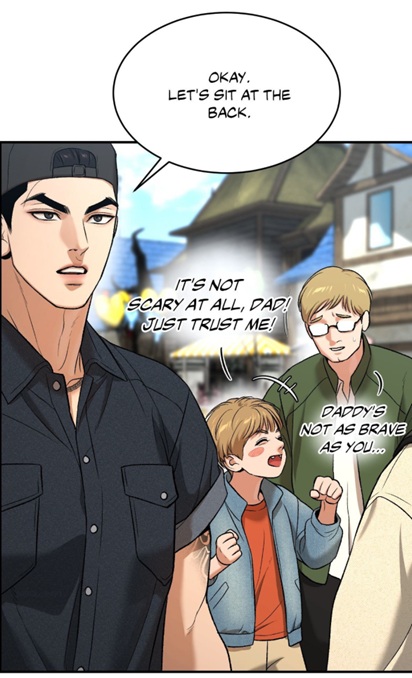 (chapter 83) That’s the reason why Mingwa placed a boy with his father between the couple in this image. At the same time, she also insinuated that Joo Jaekyung was acting not only as a father, but also as a “boy”. That’s why love is in the air… they come to accept their true self. The two protagonists are both adults and kids!
Now, doc Dan is free enough to play and enjoy the rides  (chapter 83), and respected enough to lead. And in that rare space, something long dormant begins to bloom, the return of the little boy’s innocence and smile! (chapter 83) “Love is in the air, In the whisper of the trees” Keep in mind that according to my interpretation, the tree embodies the physical therapist.
Just two people sharing the cost of a shared day — naturally, effortlessly, without negotiation. It is a small detail, but it signals a tectonic emotional shift: he no longer sees himself as someone who must earn affection through restraint, sacrifice, or poverty. He no longer sees himself as a burden!
Joo Jaekyung — “Love is in the air, in the thunder of the sea”
If Dan awakens in air, Jaekyung is pulled, almost violently, toward water.  (chapter 83) The second half of the verse — “in the thunder of the sea” — finds its embodiment not in waves or ocean spray, but in a wooden flying boat swinging high above an amusement park.
 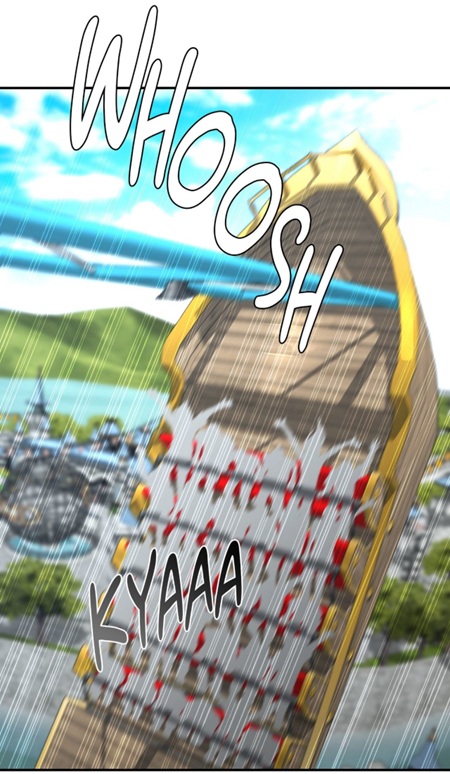 (chapter 83) It is here, of all places, that the façade of the undefeated champion bends, flickers, and reveals the frightened boy hiding beneath the man.
 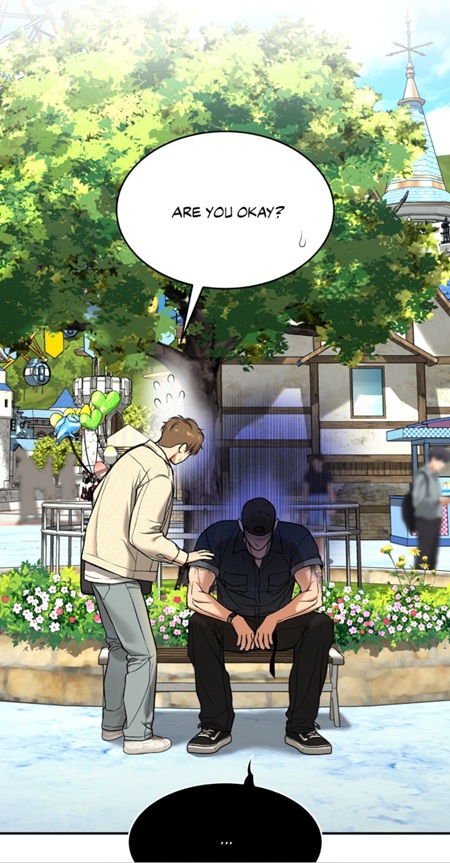 (chapter 83)
At first, the athlete walks through the park with a confidence bordering on theatrical. He speaks like someone who knows the rules of amusement rides  (chapter 83), although the knowledge is borrowed, second-hand, quoted from “the guys at the gym.” He buys cute headbands (chapter 83), pays for almost everything
 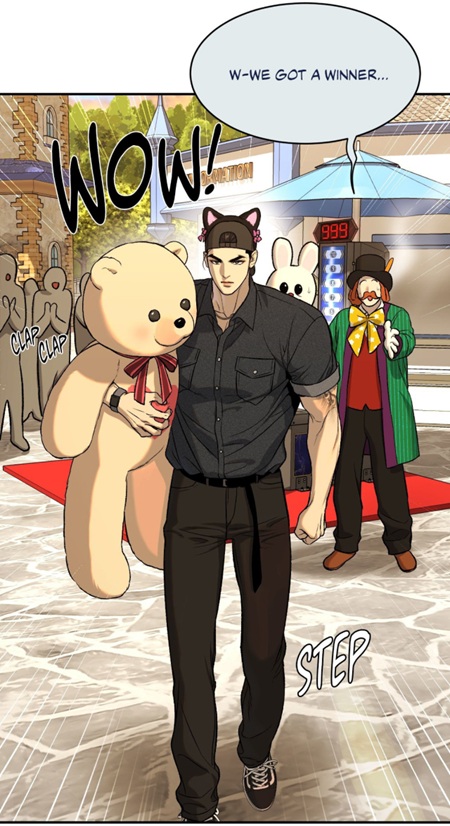 (chapter 83), selects a giant teddy bear as a prize. He tries to perform adulthood, to appear experienced, reliable, worldly — the one who leads. That’s why his reaction after the ride on the boat resembles a lot to the father: scared of rides (chapter 83) And yet this performance is delicate. One touch is all it takes to fracture it.
 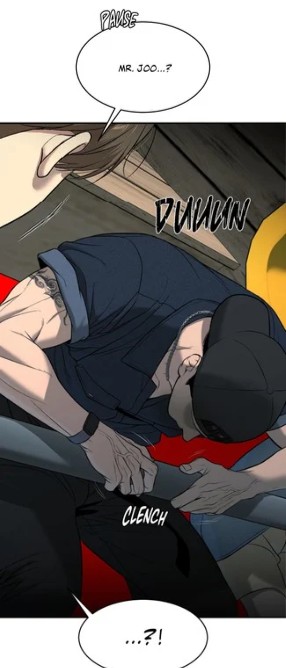 (chapter 83) Because the truth is that Jaekyung, too, is both an adult and a child. Thus the author used many “chibi” in this chapter: (chapter 83) He is the man who finances the day, but also the boy who has never stepped inside an amusement park.
  (chapter 83) He is the warrior who never loses, but also the boy who becomes jealous of a rollercoaster because it made Dan smile.
 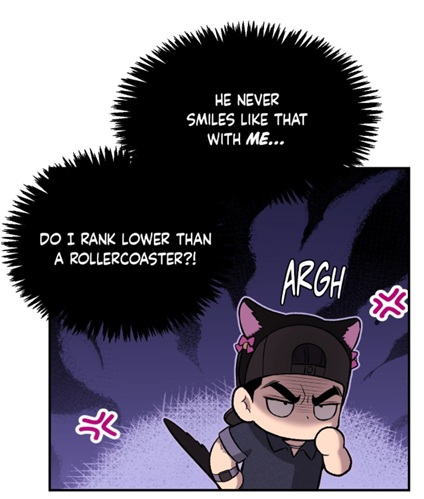 (chapter 83) He is the emperor of the ring, but also the boy whose innocence was stolen far too early through neglect, violence, and trauma.
This duality surfaces even during the ride moves.  (chapter 83) When he sees Dan laughing with the wind in his hair, he is first moved.
  (chapter 83) For the first time, he truly notices the doctor’s joy and happiness. However, later his thoughts tighten into a childish pout: (chapter 83) The jealousy is not malicious — it is heartbreakingly sincere. It belongs to someone who has never been the source of gentle affection. Someone who has always been valued for power, not warmth. Someone whose earliest memories taught him that attention comes only when he performs. What he fails to notice that he is still behind the doctor’s happiness. How so? It is because he was the one who had suggested this trip!!
But let’s return our attention to the boat, the ride who combines water and air. The great athlete — the dragon of the cage, the man who terrifies opponents simply by standing in front of them — folds inward like a frightened child. (chapter 83) As the ride swings, his fingers clamp around the safety bar, his head drops, his breathing stutters, and his posture collapses into defensive instinct. The motion is too familiar. Too close to something his body remembers even when his mind tries to forget. One might think, it is related to his fear of fall. However, it is only partially true. His dizziness on the flying boat is not simply fear of a ride, nor the comedic reversal of roles between the fearless champion and the timid therapist. It is the physical echo of a lifetime of trauma — the kind the body never forgets.
A fighter’s training does not harden the vestibular system; it punishes it. Years of repeated blows  (chapter 72)— even those that fall short of a diagnosable concussion — accumulate inside the inner ear like invisible fractures. The system responsible for balance, spatial orientation, and visual stabilization becomes worn, over-calibrated to impact but under-prepared for fluctuation. A man can be conditioned to withstand punches that would floor an ordinary person, yet still falter when the world tilts beneath him.
This is exactly what we witness on the flying boat. Jaekyung turns pale long before the motion becomes violent. His breathing shifts. His body stiffens. He clings to the safety bar not out of embarrassment, but because his senses are betraying him. These are classic signs of vestibular sensitivity — the lightheadedness, the nausea triggered by visual motion, the momentary whiteouts where vision loses stability, the delayed recovery after sudden shifts in height. Boxers experience it. Wrestlers experience it. MMA fighters live with it. But Jaekyung’s case carries a sharper edge.
Because his vulnerability is not merely the byproduct of sport. 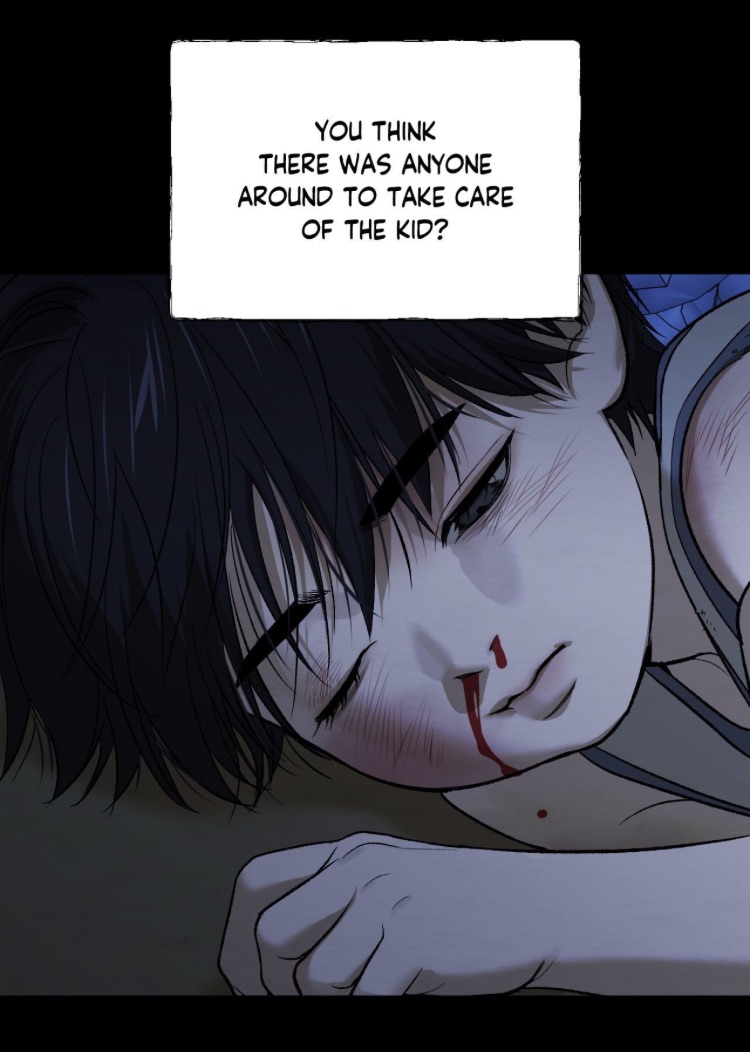
It carries the ghost of childhood instability — the disorientation of being struck by someone who should have protected him, the instinctive bracing for impact, the nights when the world spun not from amusement but from fear.  (chapter 72) The body he trained into steel was built upon a nervous system shaped by violence. Let’s not forget that before his father died, the latter hit his head with a bottle once again.
  (chapter 73) Finally, he started fighting at such a young age,
  (chapter 72), actually boxing at such a young age is limited to non-contact activities like footwork drills, shadowboxing, jump rope, basic strength & coordination, bag work with very light gloves. So there is no sparring, no head contact.
 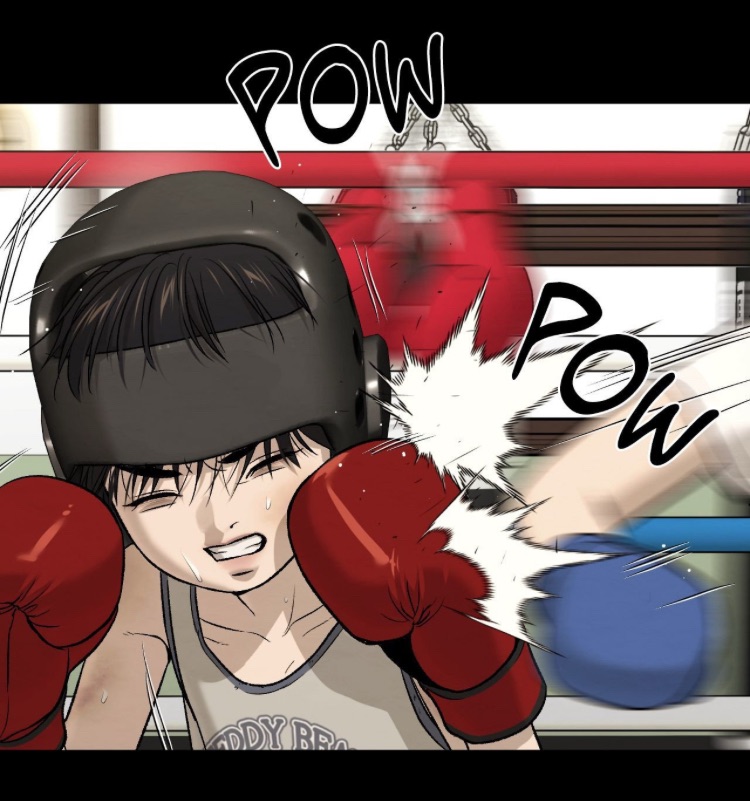 (chapter 72)
It can survive force, but unpredictability — the rocking of a boat, the sudden drop of a height — awakens old alarms he never learned to silence. And now, you comprehend why Mingwa placed this panel just before they got on the boat! (chapter 83) This is what his father should have done in the past.
This is why the flying boat becomes his “thunder of the sea.” Not a thrill. A warning.
While Dan rises with the air (chapter 83) — light, joyful, awakened — Jaekyung is dragged back toward the element he once drowned in. His dizziness is the somatic memory of a boy who learned to endure chaos by stillness, who now finds himself unable to breathe when the world refuses to stay still.
And yet, even after this destabilizing moment, the athlete refuses to give up 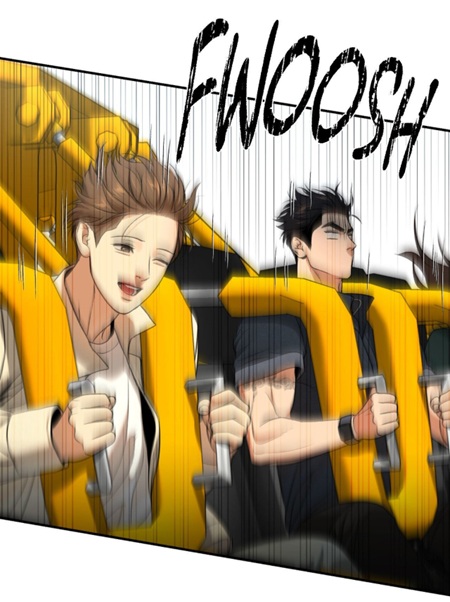 (chapter 83), thus they try other rides. It is important, because it implies that Joo Jaekyung is gradually leaving the water! This explicates why later something extraordinary happens. (chapter 83) He opens one eye — just one — and in that tiny gesture, the entire emotional axis of the chapter tilts. It is not the instinct of a fighter checking his surroundings; it is the instinct of a man searching for someone. The flying boat lurches beneath him, the air rushing past in violent arcs, yet all his focus narrows to a single point of stillness: Kim Dan. (chapter 83) This moment mirrors Dan’s earlier “sunrise” panel, but in reverse. Where Dan’s face emerged from shadow into light, Jaekyung’s eye emerges from strain into clarity.
Where Dan stepped into awakening, Jaekyung clings to consciousness, seeking an anchor.
And that is why this panel is so quietly devastating. He does not open his eye to judge the ride or assess danger;
he opens it to find the lightness he cannot produce within himself, due to the guilt he is carrying in himself.
He is pale, dizzy, destabilized — the seat rocks like a wave he cannot fight — and instinctively, his gaze reaches outward for the one thing that steadies him. And there he sees it:
Dan smiling. Dan at ease. Dan radiant in the wind. (chapter 83)
It hits him like a beam of sunlight breaking through nausea, fear, and vertigo. (chapter 83) In the song’s language, this is his “rising of the sun” moment — not because he feels lightness, but because he perceives it in someone else. The warmth he cannot generate becomes visible in the face of the man beside him.
For Dan, love rises like morning.
For Jaekyung, love enters like light through a crack — a single opened eye.
And in that sliver of brightness, he breathes again. It is a pure parallel to the song’s line — “Love is in the air, everywhere I look around” — because that is exactly what he does: he looks around, and his gaze lands on Dan. The doctor’s smile becomes the only stable point in the shifting world. Jaekyung’s competitiveness, his jealousy of the rollercoaster, his greed for Dan’s smile — all of it collapses into something softer once his body falters.
For the first time, he allows himself to rely on someone else. To conclude, the ride — with its water-like arcs and unpredictable shifts — becomes a symbolic reenactment of the environment that shaped him. This is the song’s “thunder of the sea”: violent motion, destabilizing memory, fear disguised as nausea.
Yet despite his struggle, something remarkable awakens. Joo Jaekyung is still enjoying his time with his fated partner. Thus he wished to stay longer there. (chapter 83) It is because he enjoys listening to doc Dan. He enjoys his voice and words. This is not the internal voice of a fighter; it is the voice of someone falling in love without yet understanding how strong his feelings are.
He is too dizzy to perform adulthood, too overwhelmed to hide behind rank or reputation. The fragility he has always repressed leaks through every line of his body — and for the first time, he lets it. Thus he follows his heart and wins a huge teddy bear and buys headbands.
To conclude, the flying boat marks the moment 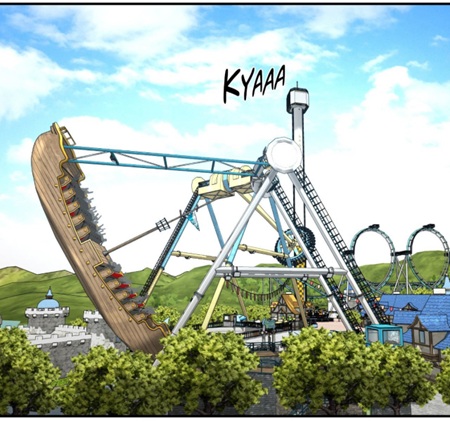 (chapter 83),when Joo Jaekyung is stripped of his armor. The amusement park returns him to something raw, trembling, unfinished. But instead of shame, there is warmth. Instead of anger, there is gratitude.
  (chapter 83) Instead of retreat, there is reaching — a quiet but unmistakable reaching toward the man beside him. The problem is that he is still too scared to voice his thoughts in front of the physical therapist.
This represents another step of Jaekyung’s transformation: the shift from solitary dragon to partner, from survivor to someone who longs to be understood. And here, the parallel with his earlier metaphor becomes striking.
Back in Chapter 29, he described challengers as hyenas nipping at his heels  , (chapter 29) a swarm of predators waiting for him to slow down. His career was an ocean of teeth and waves — constant motion, constant danger. Thus I detected a progression. In episode 69, he jumped onto the boat
 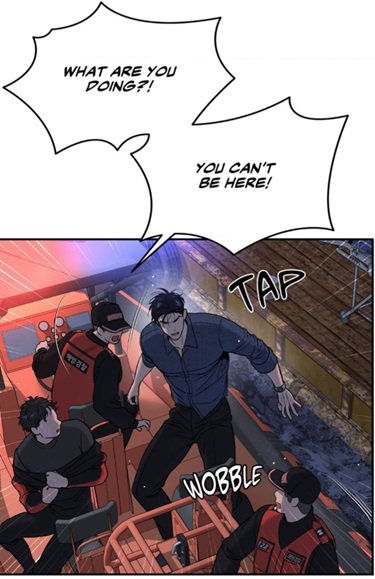 (chapter 69), then at the amusement park, the boat was in the air (chapter 83) Thus I deduce that the boat is “the last wave” he rides.
Once it stops, his world no longer moves with the violence of water. When he ascends the Ferris wheel  (chapter 83), he rises into air — the first air he has breathed without fear.
He leaves the sea behind. He leaves the waves of fighters behind. He leaves the ocean of survival behind. Therefore I am sensing that the athlete is about to change his career and path. He will stop acting as a fighter only. That moment of ascent — quiet, suspended, pink-lit — is the moment he finally becomes what he was always meant to be: not prey chased across waves, not a beast trapped in turbulence, but a dragon lifting into the sky.
And the first breath of that ascent — the first hint of air entering lungs long constrained — begins beside Dan, in a gently swinging gondola at sunset.
The two men meet there in the subtle overlap between air and sea —
between awakening and unraveling,
between lightness and instability,
between childhood and adulthood.
The whisper of the trees meets the thunder of the sea.
And the love that neither can yet name floats quietly between them.
The Ferris Wheel — Where Dream and Reality Finally Meet
The emotional architecture of Chapter 83 only reveals its full depth when placed beside the earlier night-and-morning dyad of Chapters 44 and 45. Those chapters form a pair of opposites: a false dream  (chapter 44) followed by a false dawn. Chapter 44 unfolds in artificial night — neon
  (chapter 44) and night lamp (chapter 44) — a landscape where nothing is stable and nothing is truly felt. Jaekyung is drunk, his consciousness slipping in and out of awareness; Dan, overwhelmed and inexperienced (when it comes to relationship), projects meaning onto a moment that cannot hold it. He wishes time would “stand still,” but he is wishing against reality. The entire scene is built on one-sided desire. The intimacy is sensory, not emotional. Dan longs to “get to know”
  (chapter 44) someone who is not present, rather drunk. But getting to know someone means communication. It is precisely the illusion captured in the song’s confession: I don’t know if I’m just dreaming… I don’t know if I see it true… And he wasn’t seeing it true; he was dreaming alone.
Then comes Chapter 45 — cruel daylight, harsh and flat, the sun stripped of warmth. 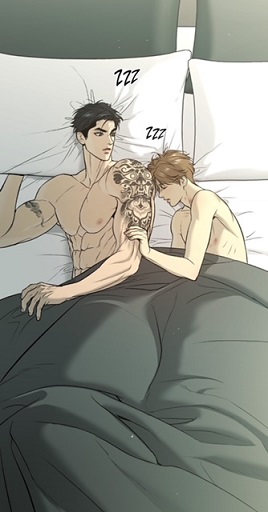 (chapter 45) Morning light becomes a scalpel. There is no magic left, no gentleness, no room for misunderstanding. Jaekyung’s bluntness
 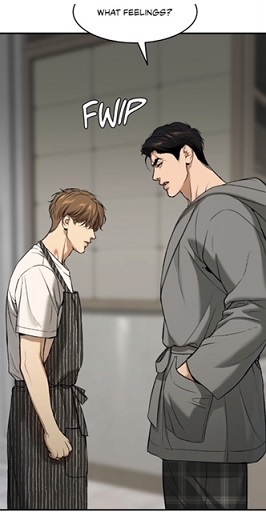 (chapter 45) annihilates the illusion Dan had constructed the night before. This is not heartbreak; it is disenchantment, the almost physical pain of realizing a moment meant nothing to the other person involved. Chapter 44 was the dream, and Chapter 45 was its punishment. Together they show a relationship out of sync, two people whose desires never touch at the same time. One wishes for home and attention, while the other has no idea that he is loved. So far, he has never heard this: “I love you”. One tries to reach out emotionally, while the other remains absent. However, when they are both lucid, none of them are totally honest, as they are self confused. Thus they are in two different worlds.
Chapter 83 is the first time those worlds merge. Hence we have the purple sky!  (chapter 83) This scene confirmed my previous interpretation about the symbolism of the blue/golden hour.
Everything that failed in Chapters 44 and 45 is repaired — not by repetition, but by transformation. (chapter 83) The setting is no longer artificial night nor cold morning. It is true daylight — warm, golden, forgiving. Both men are fully conscious. Both are vulnerable. Both are honest. Both are sober. And for the first time, both want the same thing at the same time. This mutuality is the quiet miracle that turns an ordinary Ferris wheel cabin into a sacred emotional space. When Dan looks toward the horizon and murmurs, (chapter 83), the wolf thinks, with disarming sincerity, he is thankful toward the physical therapist. ” The wish that destroyed them in Chapter 44 now binds them together in Chapter 83. Suspended high in the sky, they share the same breath, the same light, the same fragile desire. This is where John Paul Young’s lyrics finally find their home: And I don’t know if I’m being foolish… don’t know if I’m being wise… but it’s something that I must believe in… and it’s there when I look in your eyes. And now it is the champion’s turn to become brave and confess his feelings to doc Dan, but like it was just revealed: Joo Jaekyung refused to repeat his confession!  (chapter 83)
And the Ferris wheel forces them to talk to each other and face that truth. Unlike that night when Jaekyung could simply roll over and fall asleep, or that morning when Dan could retreat into silence, the Ferris wheel offers no escape route. They are trapped together — enclosed, elevated, suspended. Neither can walk away. 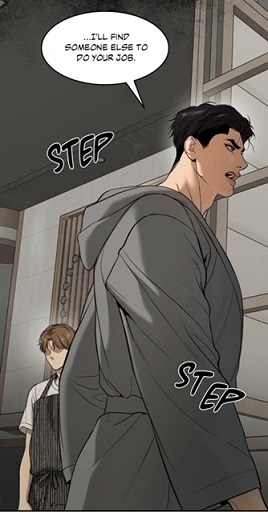 (chapter 45) Neither can pretend not to feel. Neither can avoid the other’s gaze. They must see each other as they are, in that moment. And miraculously, neither flinches. There is no denial, no deflection, no cruelty. Only two men who finally dare to look. Whereas Chapter 44 let them hide behind darkness and drunkenness, and Chapter 45 forced them into cold exposure, Chapter 83 holds them in a gentle, suspended in-between: the space where dream and reality finally meet.
And Mingwa gives this moment a witness (chapter 83) — the enormous Teddy Bear Jaekyung won earlier that day. In the cramped Ferris wheel cabin, the bear sits with them, silent and soft, absorbing every unspoken emotion. It becomes the guardian of the day’s truth, the counterweight to the night of Chapter 44. Nothing from this moment can be denied, rewritten, or dismissed as drunken illusion. The bear remembers. It carries the warmth of Dan’s rediscovered childhood, the soreness of Jaekyung’s fear on the boat, the sweetness of their awkwardness, the courage of their mutual wish. Later, when Dan sees the bear again, he will remember not the fear of falling, not the dizziness, not the awkwardness — but the moment Jaekyung looked at him and apologized to him. Hence later the doctor is seen looking at his present  (chapter 84) and holding the bear’s hand.
  (chapter 84) The bear contains the view, the sunset, the air, the honesty — everything that neither of them can run away from now.
This is why the Ferris wheel scene is more than a romantic interlude; it is a structural correction of the narrative wound created in Chapters 44 and 45. It does not repeat the night. It redeems it. It heals the morning. It merges the suspended magic of Chapter 44 with the daylight honesty of Chapter 45 — but only because both are willing, present, open. For the first time, their timing aligns. For the first time, neither is dreaming alone. For the first time, love is truly in the air, not as fantasy nor delusion, but as a shared, breathing reality. But wait… in episode 84, there is no “I like you,” no dramatic declaration, no romance in words. So it looks like my association was wrong. 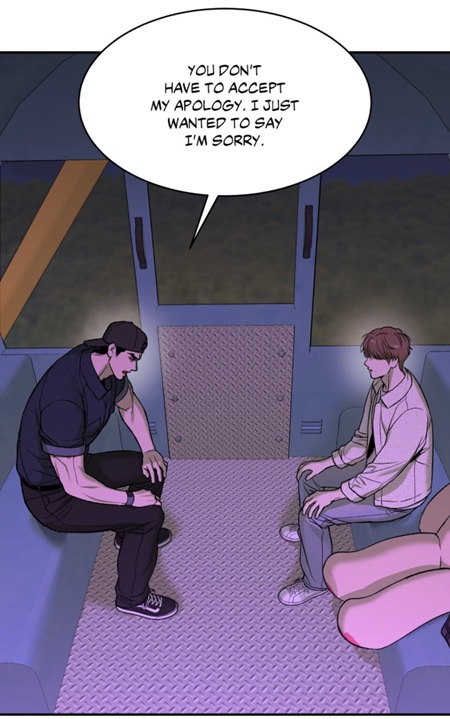 (chapter 84) Instead, what rises between them is something quieter and far more intimate: penance. The fighter does not confess love; he confesses his faults. He does not offer desire; he offers regret. In Jinx, this is the deeper beginning of love, because an apology centers the other person’s pain rather than one’s own feelings. Then Jaekyung admits he was wrong, he gives Dan something far more valuable than a confession — he gives recognition. The hamster has rights, he can express his thoughts and feelings.
This is why the air in the cabin feels charged despite the lack of explicit emotion. Love appears not as a statement but as a change in behavior, a cessation of superiority, a willingness to repair what was broken. For the first time, they meet on equal ground: the athlete stripped of his dominance, the therapist freed from his habitual submission. Neither plays a role; both simply exist honestly in the same small space. They are both humans.
And in this suspended moment, John Paul Young’s refrain drifts quietly into the scene—not as music, but as meaning. Because what unfolds in the cabin is exactly the tension the song names:
“And I don’t know if I’m being foolish,
Don’t know if I’m being wise…”
Both men stand at that threshold. Dan is wise enough to hope again, hence he is holding the teddy bear’s hand (chapter 84), but foolish enough to remain cautious and remain silent.  (chapter 84)
Jaekyung is foolish enough not repeat his words (chapter 84) 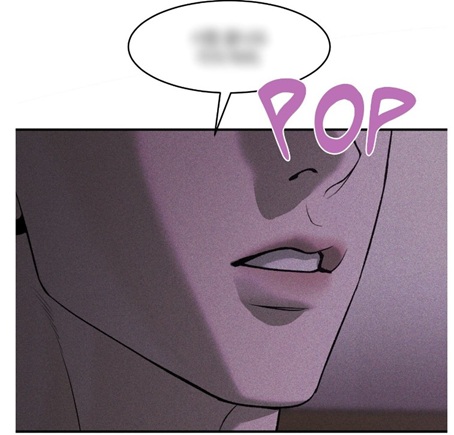 (chapter 84), but wise enough to regret immediately.
 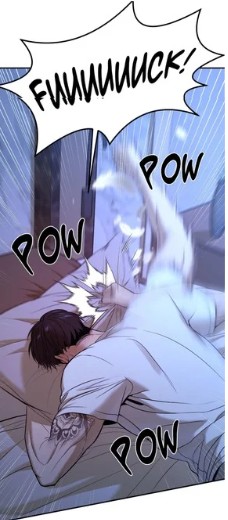 (chapter 84) He is also wise enough to care deeply and repair instead of demand. Thus his apology feels so genuine.
Their intimacy is not built on certainty but on uncertainty bravely shared. Not on declarations, but on communication—hesitant, imperfect, but real. Not on fantasy, but on the courage to face each other without hiding. And that’s the common point between these two places in the air  (chapter 45) (chapter 84) (chapter 84) Both men are not brave enough to confess their true feelings to their fated partner. Hence both came to regret their actions.
  (chapter 46)
  (chapter 46) The champion also played “dumb”. Thus the pillow got punched later. (chapter 84) He shouldn’t have thrown away his “feelings”. So by rubbing the hand of the toy, doc Dan is gradually expressing the return of “his greed and hope”.
The Ferris wheel becomes the place where foolishness and wisdom merge, where vulnerability replaces power, and where air itself begins to carry the shape of a future neither of them can yet name…but both can finally feel.
I was almost finished, when chapter 84 got released. Hence I could enrich the last part.
Feel free to comment. If you have any suggestion for topics or Manhwa, feel free to ask. If you enjoyed reading it, retweet it or push the button like. My Reddit-Instagram-Twitter-Tumblr account is: @bebebisous33. Thanks for reading and for the support, particularly, I would like to thank all the new followers and people recommending my blog.


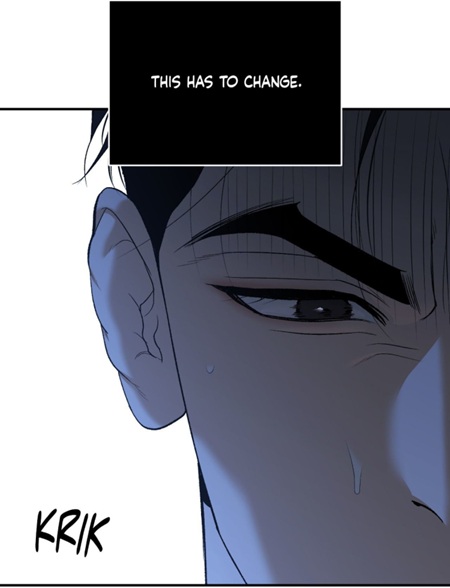 (chapter 79) However, let me ask you this. What kind of circle ends in episode 79? Moreover, how is this ending different from the past? Interesting is that episode 79 of Jinx doesn’t end with conflict, but with an awakening. For the first time, Joo Jaekyung does not rise to fight, command, or perform — he wakes up to a realization: “This can’t go on.” In the Korean version, his words carry an unusual clarity. It is not fate that changes, but choice. The champion, who once lived as if enslaved by habit and haunted by ghosts, now chooses transformation. The circle that has defined his life — power, silence, guilt, and repression — finally begins to close.
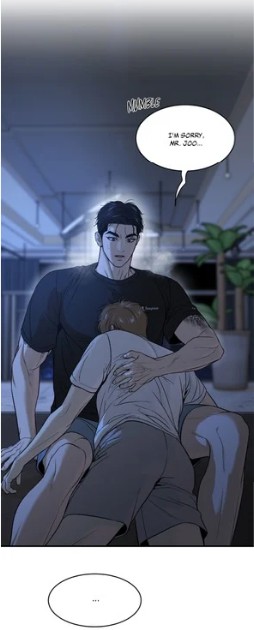 (chapter 79) Until now, Jaekyung has moved through life as if carrying a curse — the belief that he is unworthy of care and love.
 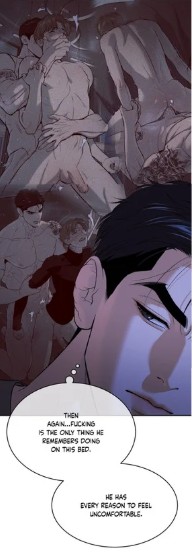 (chapter 78) Every match, every order, every touch was an act of penance. Yet, in this episode, that belief dissolves. What vanishes in chapter 79 is not his strength, but the compulsion to suffer for it. Through the unconscious confession from Doc Dan, the wolf discovers that despite his wrongdoings, he is not hated by the “hamster”.
 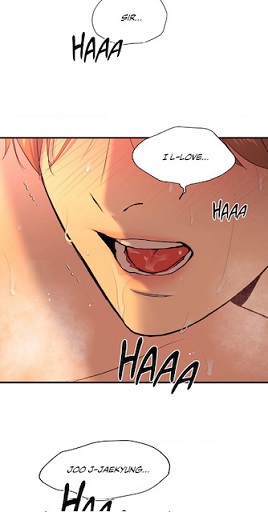 (chapter 39) from the magical night in the States. Both moments unfold in half-darkness, both break through inhibition, and both blur the line between consciousness and surrender. The verbal difference hides a deeper sameness:
  (chapter 79) is not remorse alone — it is an act of love, an instinctive reaching-out toward the other’s pain.
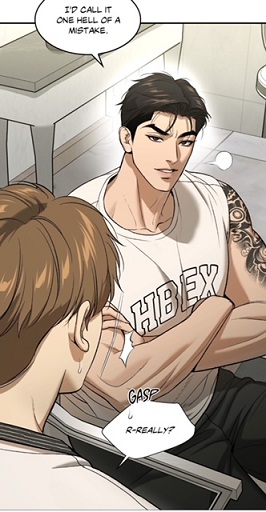 (chapter 41) What could have been a moment of truth was repressed through mockery. His body language was betraying him: his closed arms reveal that he was on the defensive. By trivializing love, he protected himself from suffering and as such from facing his own capacity for harm. Behind the joke hid an immense self-loathing: to accept the confession as real would have required believing himself worthy of it. To trust himself…. he is not a loser, a nobody!
 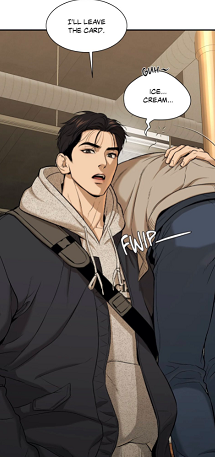 (chapter 9), 29’s confession on the couch
  (chapter 29), 69’s first expression of feelings in the dark
  (chapter 69). In chapter 79, the circle closes once more. The night’s palette tells the story — deep blue softens into violet
 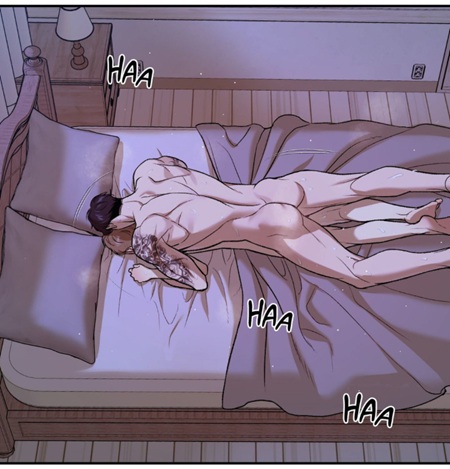 (chapter 64)
  (chapter 79), the color born from the fusion of blue (Dan’s sorrow) and red (Jaekyung’s intensity). For the first time, in the penthouse the color of their relationship is not pain but balance. And now, you comprehend why in the hallway, the purple had almost vanished:
 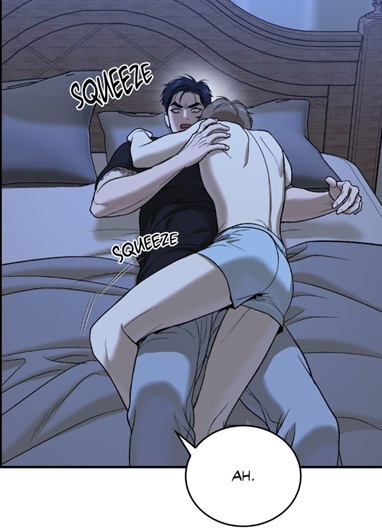 (chapter 66)
  (chapter 79)
 (chapter 79) To restore it, he will have to speak, to act, and ultimately, to smile again.
 (chapter 79) gives way to the silent recognition of fear. When the champion admits,
  (chapter 79), it is a confession disguised as complaint. For the first time, he voiced his dependency and vulnerability more clearly, as his body language is no longer expressing hesitation and shyness. Imagine that so far, he had lived following the principle of “self-reliance”. Yet when Dan asks, “What?” the champion retreats:
 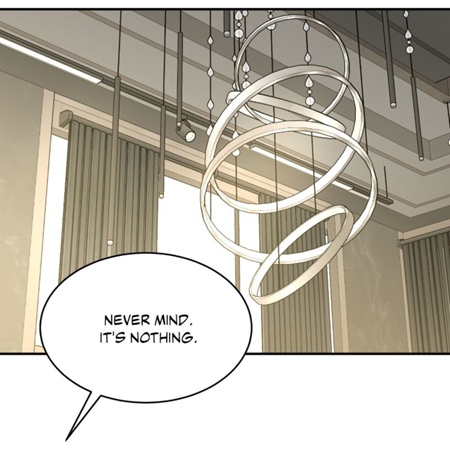 (chapter 79) His feelings collapse into the void between words. Above them, the spiral chandelier glows — the perfect symbol of their unfinished circle. His unspoken fear hangs suspended, waiting to be voiced because of someone else’s actions: the doctor’s grin
  (chapter 79) and fall
  (chapter 54) still equates vulnerability with humiliation.
 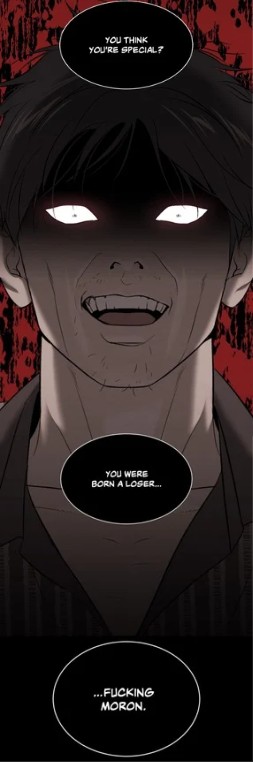 (chapter 73) In the past, every sign of weakness was punished or laughed at; even longing arrived through ridicule. Hence the “grinning” Dan of his nightmare
 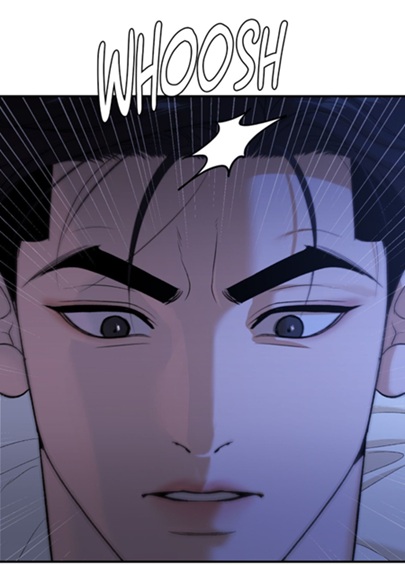 (chapter 79) The vision forces him to confront the origin of his shame. He realizes, instinctively, that the real Kim Dan would never smile at his pain — and through that recognition, he begins to separate present from past. He has already experienced a silent, but warm gaze
 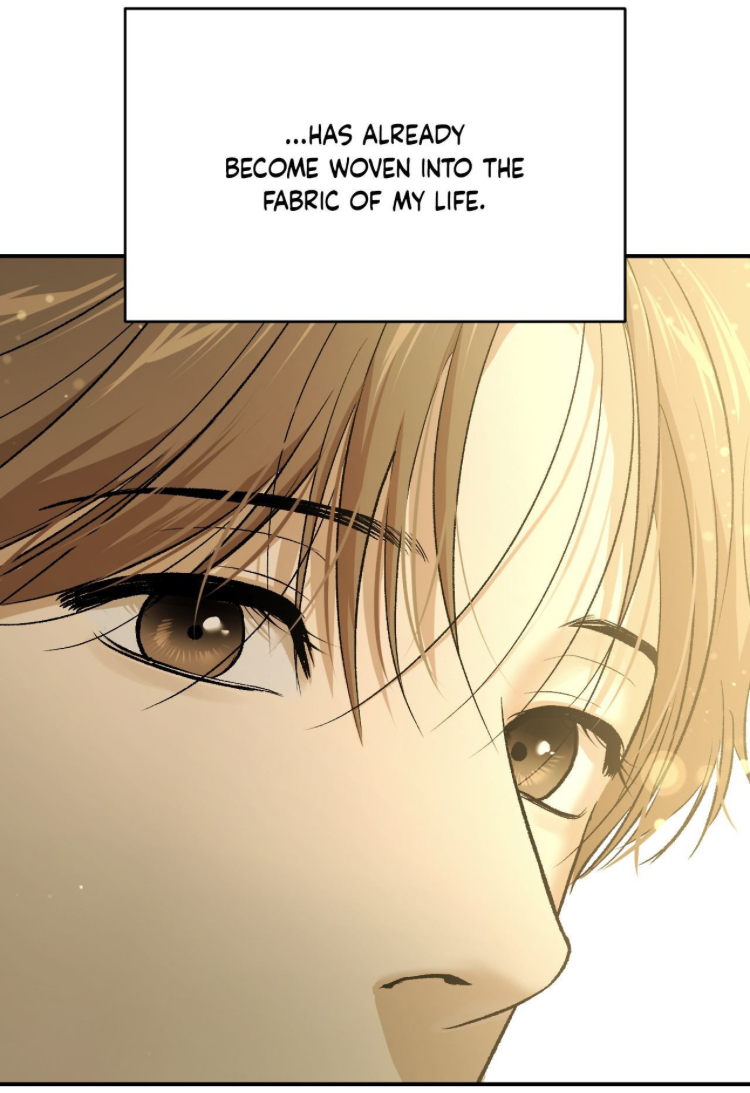 (chapter 77) from his fated partner after admitting his defeat:
 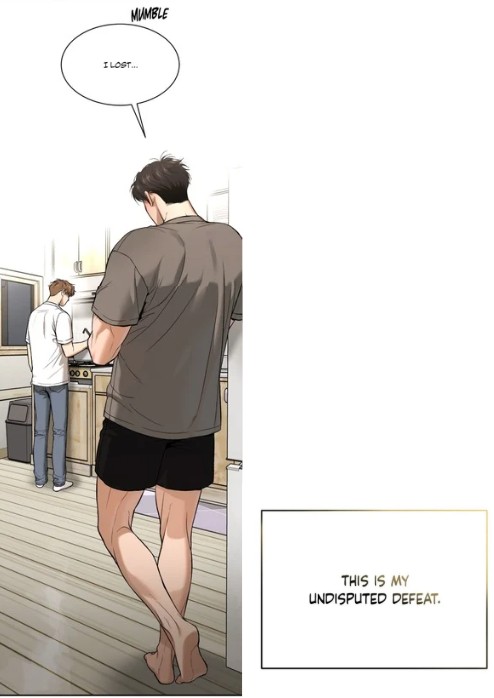 (chapter 76)
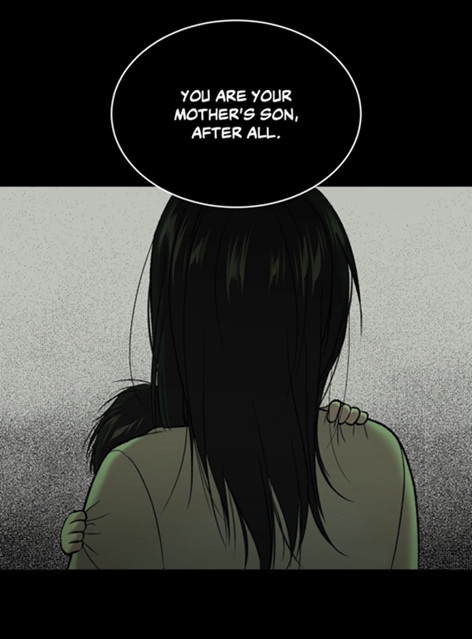 (chapter 73) but by a new, fragile dread: the possibility of losing the one person who would never say it. What vanishes in episode 79 is not his strength, but the belief that to need someone is to be weak.
 (chapter 78) He has long recognized his wrongdoings — the pressure, the harshness, the selfishness
  (chapter 76) — but guilt without self-forgiveness remains sterile. What is the point of apologizing to someone when you cannot forgive yourself? His silence, then, is not arrogance but self-condemnation. Beneath his strength lies a man who believes that no apology can redeem him, because no one ever offered him one first. His father’s mockery, his coach’s reproaches
  (chapter 74) and expectations, his mother’s betrayal
  (chapter 74), his manager’s slap at the hospital
  (chapter 52) — none of them ever voiced regret and said “I’m sorry.”
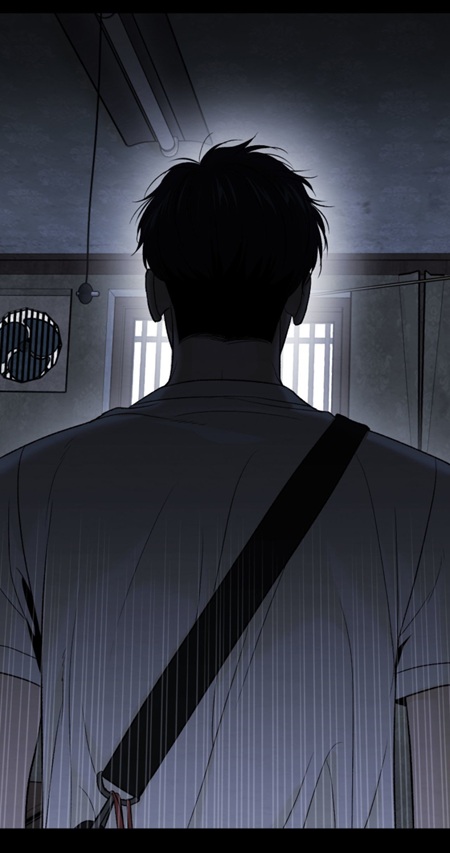 (chapter 73) Every punch was an act of self-erasure, every victory a brief anesthesia against the echo of his own self-loathing and regrets. He mistook exhaustion for atonement. But when Kim Dan whispers
  (chapter 79) His vision of Kim Dan’s false grin is not a taunt from the other
  (chapter 51) The dream revives that unspoken answer, revealing that what Jaekyung perceived as danger was, in fact, an offer of trust. In trying to protect himself from mockery, he denied the very connection that could have saved him. The dream reconstructs the very morning he had dismissed his vulnerability
 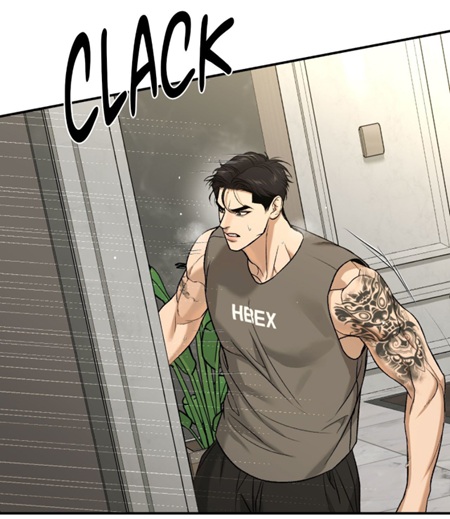 (chapter 79)— the breakfast scene
 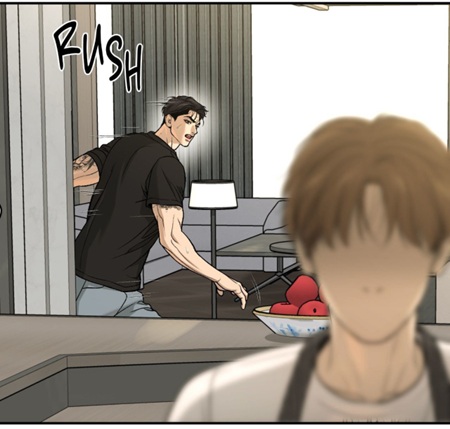 (chapter 79) , the casual
  (chapter 79), it is as if he is saving not only his partner but the part of himself that used to give up. He was living like a ghost denying his own emotions.
  (chapter 78) That word revealed his blindness — the refusal to acknowledge pain that does not announce itself through wounds. The new incident at the railing shatters that illusion. It was never an accident, but the expression of mental illness
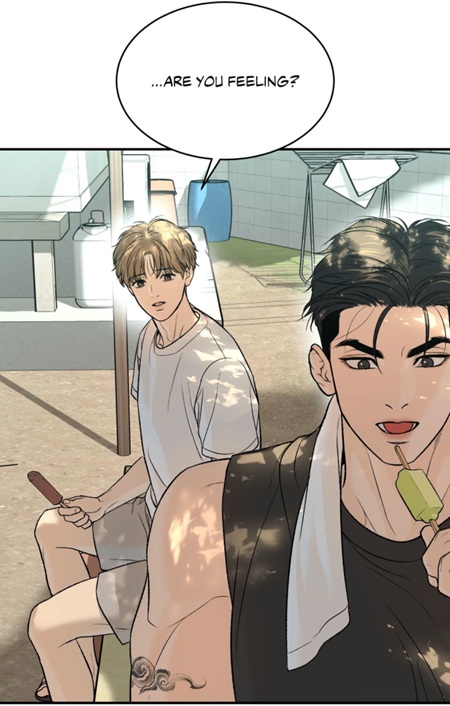 (chapter 77)
 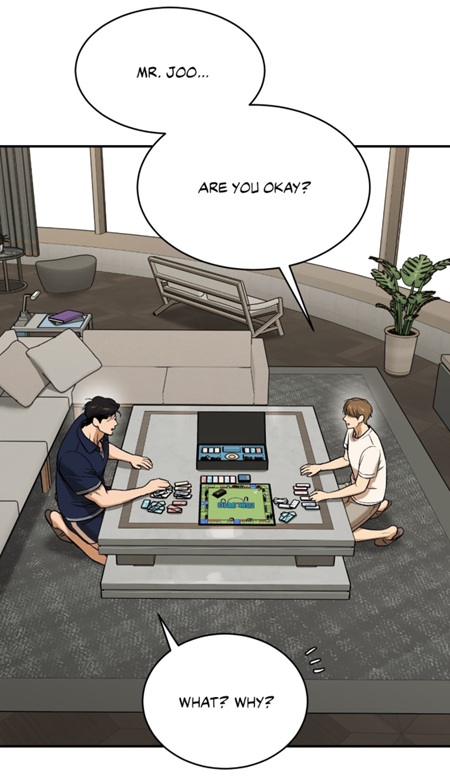 (chapter 80) Each time, the physical therapist shows concerns for the athlete’s well-being. He perceives this change of behavior as the expression of unwell-being.
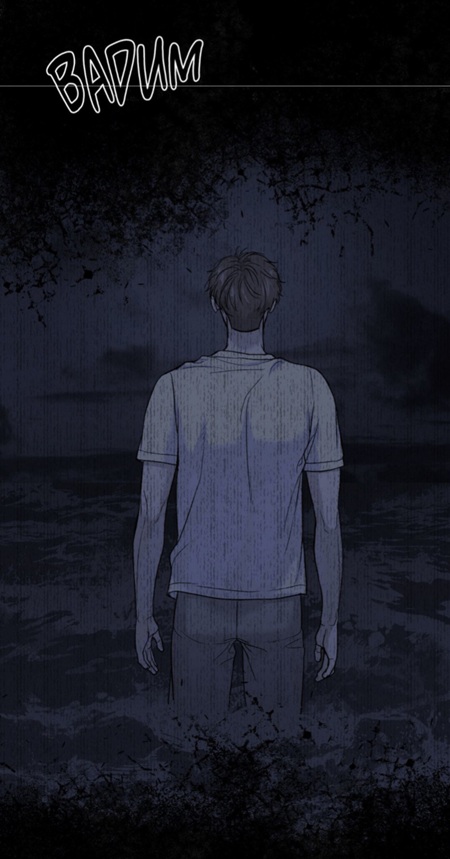 (chapter 69), and the balcony
  (chapter 38) — the very image that defines Kim Dan’s being. The clouds on his phone screen are not incidental; they reflect his essence. A cloud has no home, no fixed form, forever moving, dissolving, reforming — just like the doctor’s life, endlessly displaced and redefined by others’ expectations. Clouds embody both dream and danger: they promise transcendence but conceal the storm. Besides, a cloud can fall as rain, return to the ocean, or vanish into the sky — an image of the soul that oscillates between grounding and escape.
 (chapter 37) Behind the champion, the Golden Gate Bridge stands as a silent witness — a place where many have ended their lives by leaping into the void between air and water. The bridge fuses both symbols: it is where drowning and falling meet. Moreover, the bridge embodies the connection of two worlds. This backdrop, unnoticed by the protagonists themselves, prefigures the later arcs. Joo Jaekyung is the one standing between the bridge and the physical therapist. It was, as if the author was already announcing the huge depression doc Dan would face in the future. At the same time, I came to wonder if the unconscious suicidal attempts from Doc Dan were actually revealing the biggest secret in his life: the suicide of his parents and their death could be linked to a bridge. Striking is that while the members of Team Black were partying
 (chapter 73) before he discovered Joo Jaewoong’s corpse. The bridge thus becomes a metaphor for invisible grief: joy and pain occurring simultaneously, one masking the other. And keep in mind that according to my theory, the picture of Dan with his grandmother is hiding a tragedy. This would explain why doc Dan is so obsessed with this picture:
 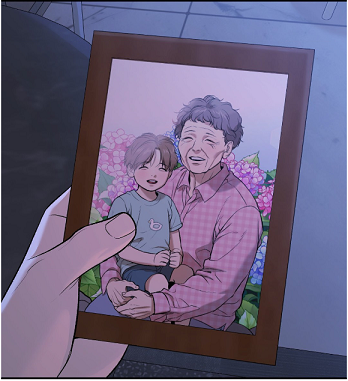 (chapter 47) The smiles here are hiding the past reality.
  (chapter 79) — so unlike his real, exhausted self — is a vision of peace, of love unburdened by fear, while this grin exposes the truth. The dream, the realm of clouds, becomes a stage where the wolf shows and learns tenderness. The dream’s fear and indirect self-reproach
  (chapter 41) In other words, the dream is giving him clues as well how to behave: not only greeting, but also talking. What caught my attention is that during their two last breakfasts together
 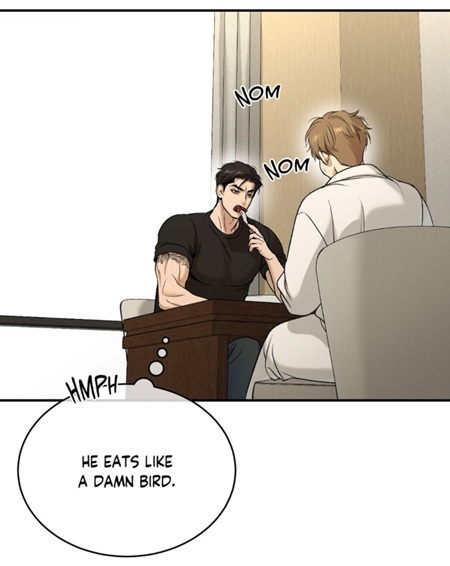 (chapter 68), they didn’t talk at all
 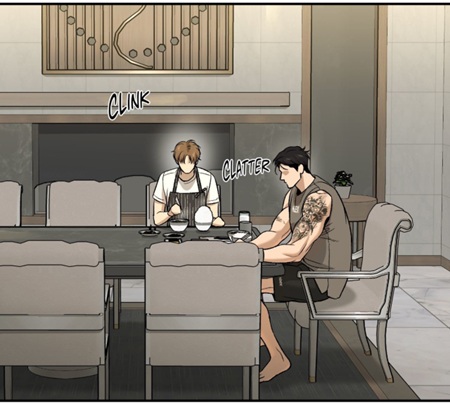 (chapter 79) which contrasts to the star’s vision.
  (chapter 79) He does not kneel; he sits, his body settling softly against the floor as he catches Dan in his arms. The man once associated with dominance becomes a cushion, a pillow, a living anchor. His strength, once used to impose weight, now exists to absorb it. The fall is not toward repentance through pain, but toward tenderness through stillness.
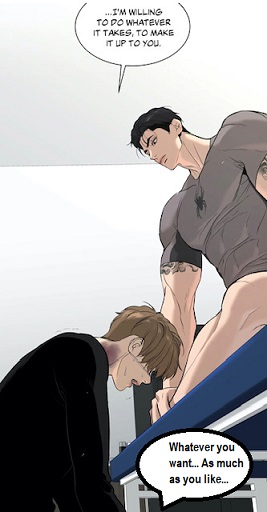 (chapter 11) now becomes the one who receives the collapse.
 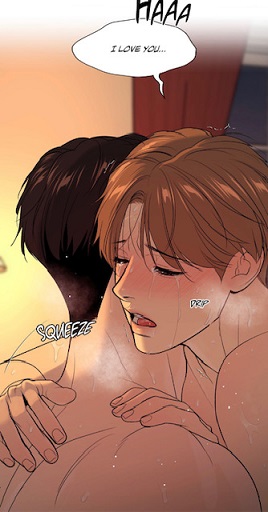 (chapter 39) escapes him in an embrace; his
 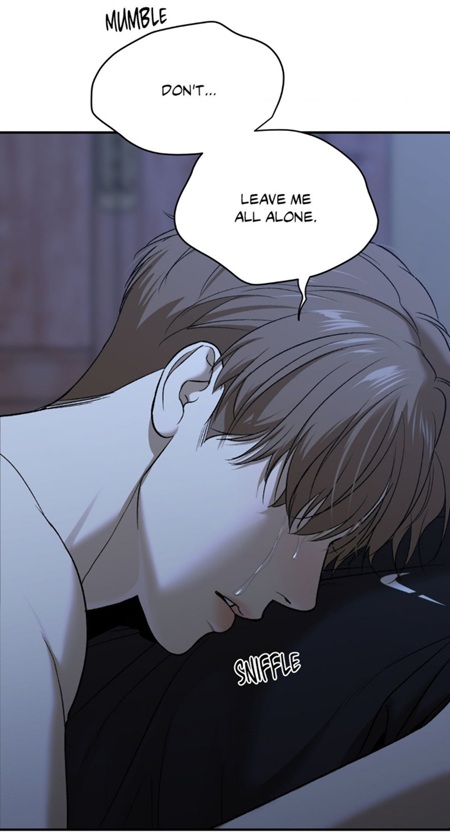 (chapter 66)
  (chapter 66) trembles out against Jaekyung’s chest; his
 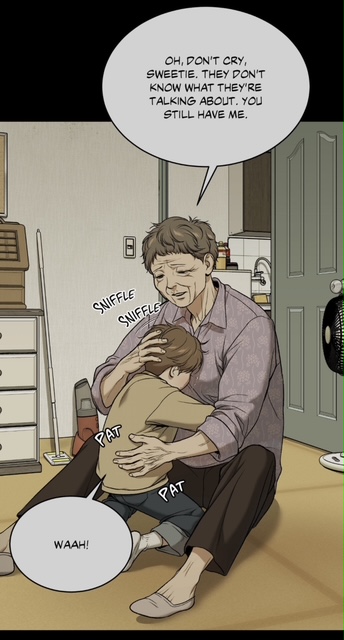 (chapter 57), he could only confide while being physically comforted. The grandmother’s embrace in chapter 57 becomes the prototype of this pattern — the last instance of safety tied to voice. Yet, crucially, that embrace was conditional and silencing. She soothed him but redirected his pain:
  (chapter 80) The moment the star was holding doc Dan’s hands, the latter started voicing more his emotions (fears, displeasure).
  (chapter 80) When Jaekyung takes his hands in the swimming pool, the gesture revives this primal language of reassurance. For the first time, the touch is neither coercive nor desperate; it’s sustaining. The handhold reverses the earlier dynamic — instead of silencing him, it gives him permission to speak. Furthermore, the champion is pointing out that he can rely on two things, the champion’s hands and the kickboard belt. This stands in opposition to the fake promise of Shin Okja.
  (chapter 57) In other words, he is inciting the doctor to trust himself more and become independent.
  (chapter 80)
 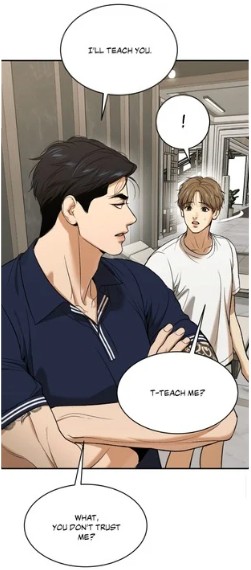 (chapter 80) His comfort does not deny danger — he acknowledges the possibility of falling into the water — but he links survival to skill, not assistance and dependency. His statement affirms Dan’s agency: he can save himself. Once he can swim, he is strong enough. Where the grandmother sought to replace the absent parents
  (chapter 65), the champion seeks to restore the missing confidence.
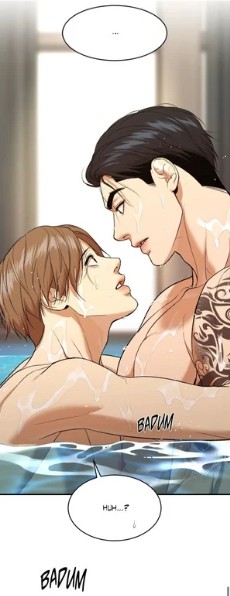 (chapter 80) in the swimming pool carries transformative potential. It is not merely a gesture of survival, but an initiation into honesty. Surrounded by water, both men are stripped of pretense. And observe that Joo Jaekyung is not rejecting the physical embrace
  (chapter 28)
  (chapter 69) The wolf, who once relied on dominance and silence, is now allowing his fated partner to hug him.
  (chapter 21) From childhood onward, being held becomes the only assurance that the world still contains care. When he woke crying and was taken into his grandmother’s arms (chapter 21), the patting gesture did not merely quiet his fear; it taught him that consolation requires contact. Yet this early lesson carried a hidden cost: it trained him to associate peace with submission and silence, and affection with dependency. Therefore the swimming lesson contains another important life lesson: it is about choice! Joo Jaekyung wants to be “chosen” by the physical therapist, hence he wants to conquer his heart.
  (chapter 80) That’s the reason why he can not change doc Dan’s heart and mind with the new clothes. For that, he needs to reveal his “weakness” to the physical therapist.
 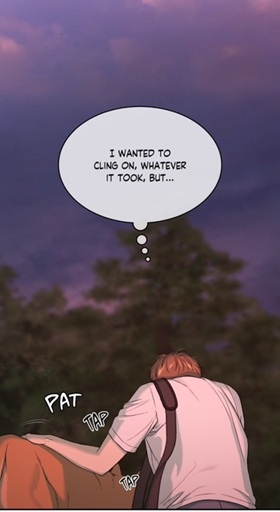 (chapter 59) His hand resting on Boksoon’s fur repeats the same motion — the pat once given to him, now returned to another being in pain. What he offers the animal is precisely what he has always longed for: warmth without judgment, touch without condition.
 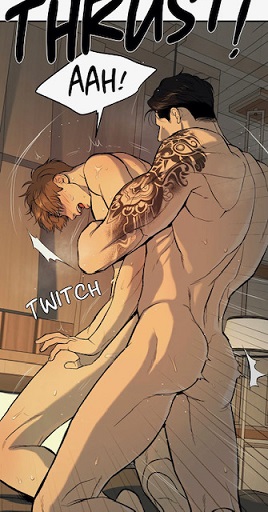 (chapter 4), not intention: a reflex of possession, not communication. As time passed on, it changed, yet in the bathtub (chapter 68), Dan fell asleep against him so that he could never experience the athlete’s care
  (chapter 68); in the morning, Jaekyung acted as though nothing had happened. Then on the dock, Joo Jaekyung expressed his relief
 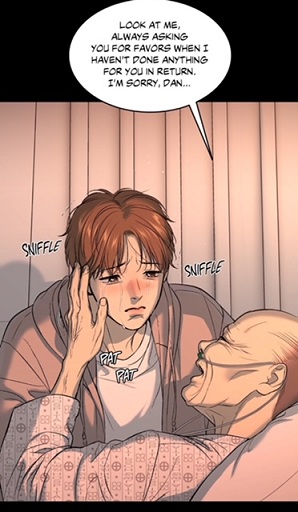 (chapter 53), she frames her guilt in terms of debt, not grief. What she cannot say is: “I’m sorry your parents are gone, and I buried the truth.” Her compassion never touches the core wound. Instead, she redirects her remorse into pity
 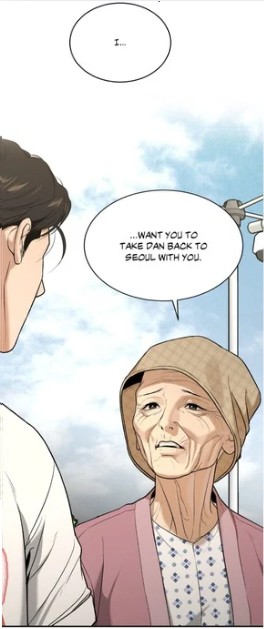 (chapter 65); “bring him to a big hospital so that he can take pills”
 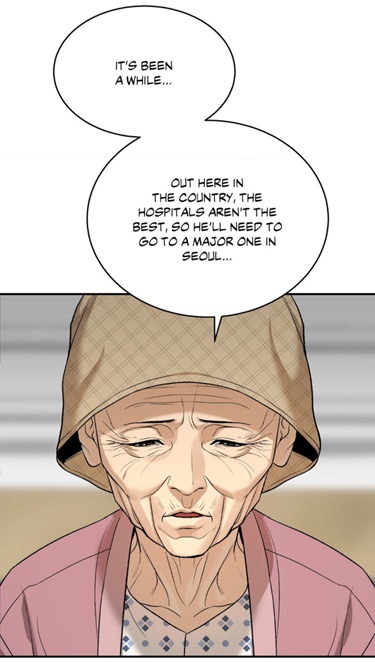 (chapter 65)
  (chapter 65) He trusted her words and advises. I would even add that he believed that compliance equaled real care. Yet the night by the balcony teaches him otherwise.
  (chapter 57). Everything evolved around his lack of sleep and his dependency on her.
 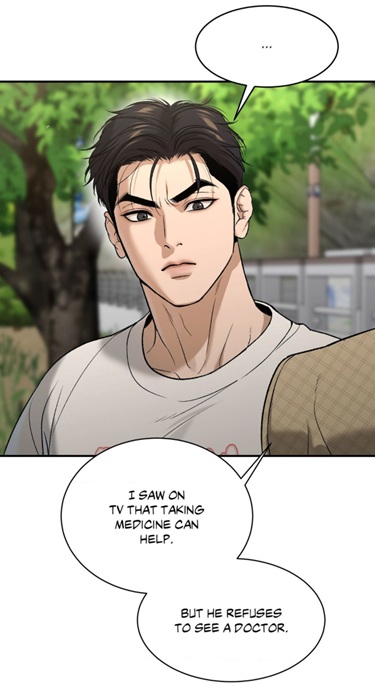 (chapter 65) However, in episode 79, for the first time, the champion notices it.
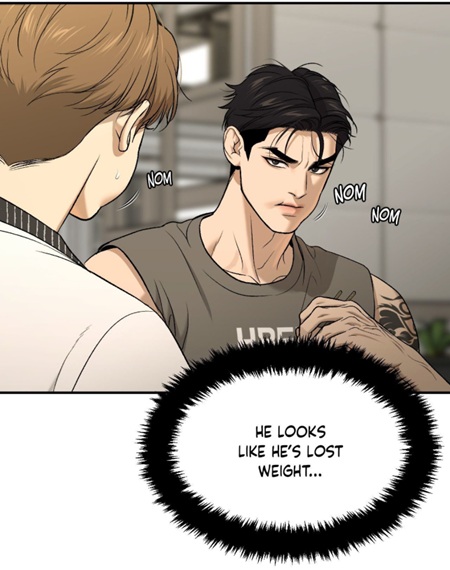 (chapter 79) It is important because very early on, the doctor Cheolmin had already detected his malnutrition:
  (chapter 13) In other words, the physical therapist’s depression and eating disorder were already existent before meeting the “wolf”. And what did the mysterious friend tell to the “wolf”? He shouldn’t wait out of fear that he might regret it later!
 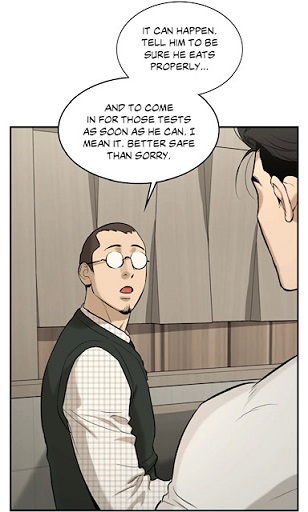 (chapter 13) As you can see, “sorry” is the link between the two doctors and the celebrity.
  His metamorphosis will be complete with the birth of the kind and sweet Joo Jaekyung!
  (chapter 21) Imagine that I had written this part before the release of episode 80!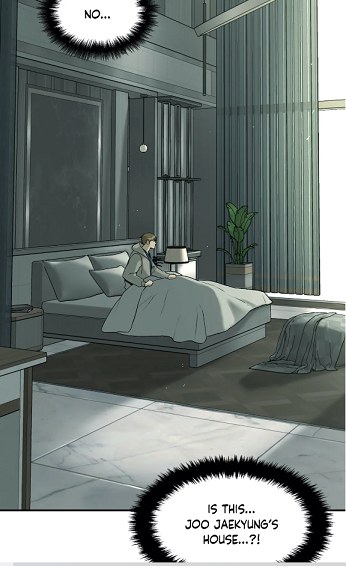
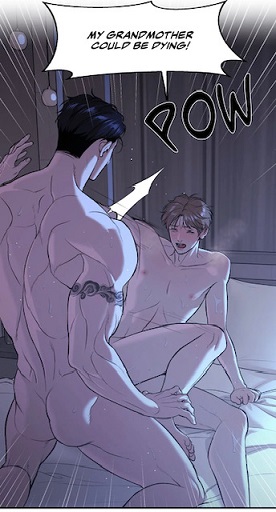 (chapter 21)
 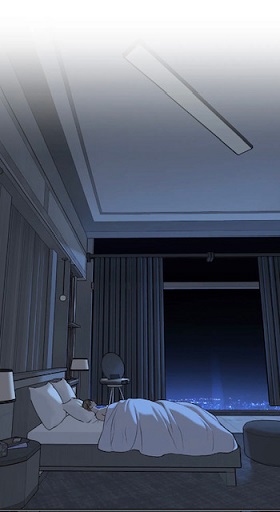 (chapter 29)
  (chapter 61) Hence it is no coincidence that while sleeping in his own bedroom, the physical therapist had a relapse.
  (chapter 79) Because the champion had come to the conclusion that his own bedchamber was linked to sex
 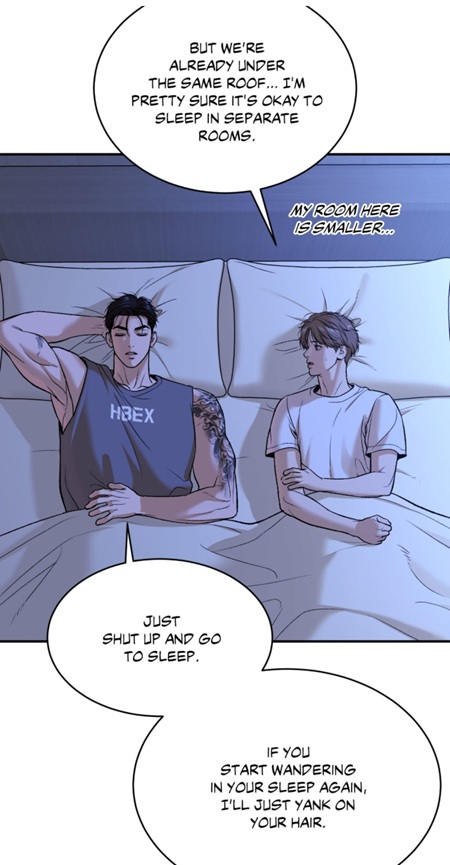 (chapter 78) And though he had another “accident”, the former is never bringing it up to doc Dan. There’s no blame or accusation. The athlete is keeping these accidents as secrets. However, pay attention that he is making sure that doc Dan is resting.
  (chapter 80) Notice that he joined him later, acting as if they had not shared the same bed. Gradually, the champion is giving back doc Dan’s freedom and privacy. He is guiding him to take care better of himself by using his own words.
 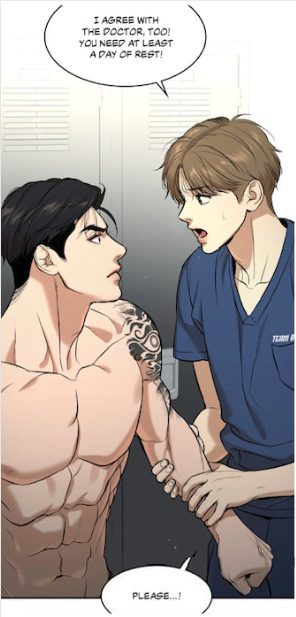 (chapter 27) Striking is that the champion always chose the left side of the bed
  (chapter 66) Thus I deduce that doc Dan is destined to take over his grandmother’s position in the bed:
 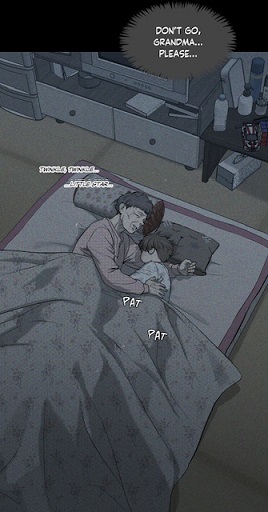 (chapter 21) And this observation seems to be validated by chapter 80.
  (chapter 80) The star was sitting on the right side of the bed while watching his sleeping partner. Why? It is because he can see his face. But by lying on the left side, doc Dan came to turn his back to him.
 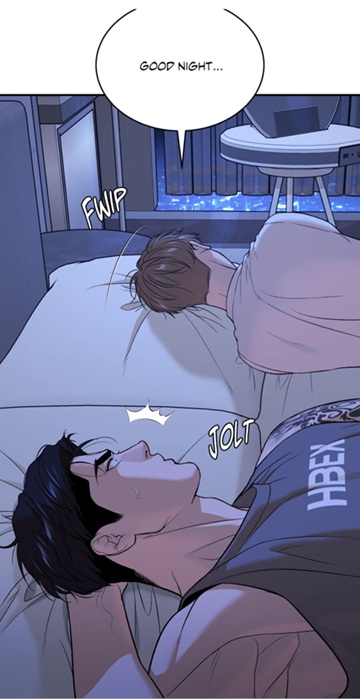 (chapter 78) But if they switch places, the wolf should be able to watch his partner’s face. And now, pay attention to the way Mingwa placed the new embrace in the swimming pool:
  (chapter 79) Because of the champion’s cold gaze, doc Dan felt rejected and even hated.
  (chapter 79) He had the impression that he wouldn’t meet his “expectations”. Observe the parallels between the champion’s dream
 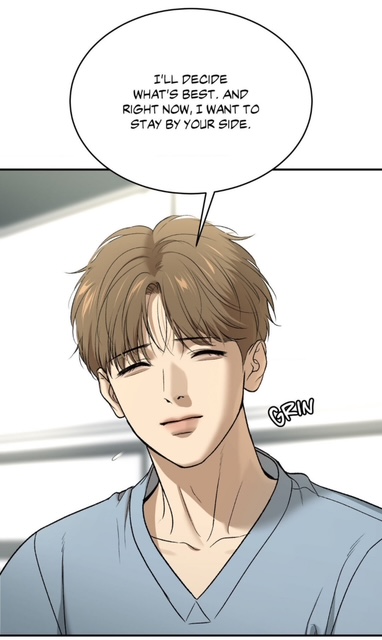 (chapter 57) We have the doctor’s fake smile which is strongly linked to rejection
  (chapter 57) and expectations. And what is the other common denominator? His self-loathing and immense guilt. He has the feeling that he is not lovable. In my opinion, doc Dan is suffering because no one is listening to him at all. So far, they all projected their own thoughts onto him. The reality is that doc Dan already had a hard time before moving to the seaside town,
  (chapter 11) yet she failed to notice it or refused to face his struggles, as they were related to their poverty.
  (chapter 5), he lost his voice and became a ghost. It is no coincidence that in this scene, doc Dan was silent despite the caress. He was avoiding any topic that could trouble his grandmother. He accepted to remain a little boy in her eyes. But thanks to the wolf, doc Dan is learning to become strong and independent so that he can decide about his life. The swimming lesson is pushing him to overcome his abandonment issues.
 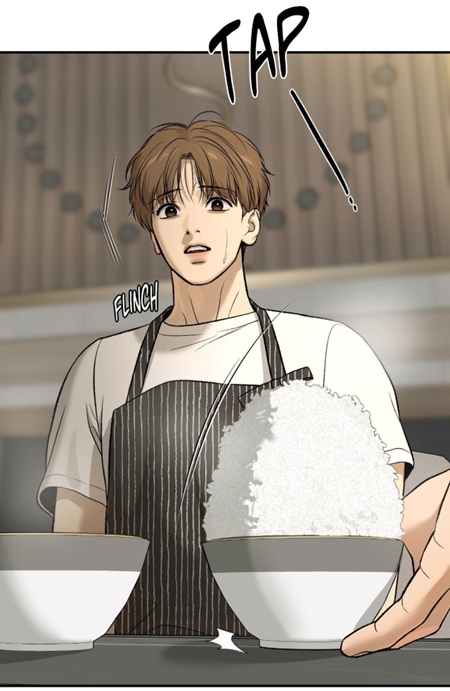 (chapter 79), not communion; his affection, an extension of performance
  (chapter 79). Yet as the doctor grows thinner and more exhausted, the wolf begins to understand what “starvation” truly means.
  (chapter 79)

 Bebebisous33s' analyses in K-Dramaland and Manhwas